

Does Your Pet Keep Vomiting? Here’s What to Actually Do About It.
There’s a certain resignation that sets in after weeks or months of cleaning up after your pet who vomits on a frustratingly reliable schedule. You’ve tried a new food. You’ve elevated the bowl. You’ve bought the slow feeder. And yet here you are. At some point, “sensitive stomach” stops being a satisfying explanation and starts feeling like a placeholder for an answer nobody has actually looked for yet.
Chronic vomiting that comes alongside weight loss, appetite changes, or intermittent diarrhea points toward something a single treatment is unlikely to fix. The good news is that a stepwise diagnostic process, starting with bloodwork and imaging to rule out serious causes, moving through dietary trials, and progressing to endoscopy or biopsy when the picture remains unclear, usually gets to a real answer.
At Oliver Animal Hospital in Austin, we take chronic vomiting seriously because it almost always has a reason, and finding that reason changes the entire treatment picture. Our veterinary care services include the in-house diagnostic tools needed to work through even complex GI cases. Request an appointment to get started.
When Does Vomiting in Pets Become Concerning?
A single vomiting episode after counter-surfing or eating grass is rarely cause for alarm. The harder questions are when occasional becomes chronic, and when chronic becomes urgent.
What Does the Appearance of Your Pet’s Vomit Mean?
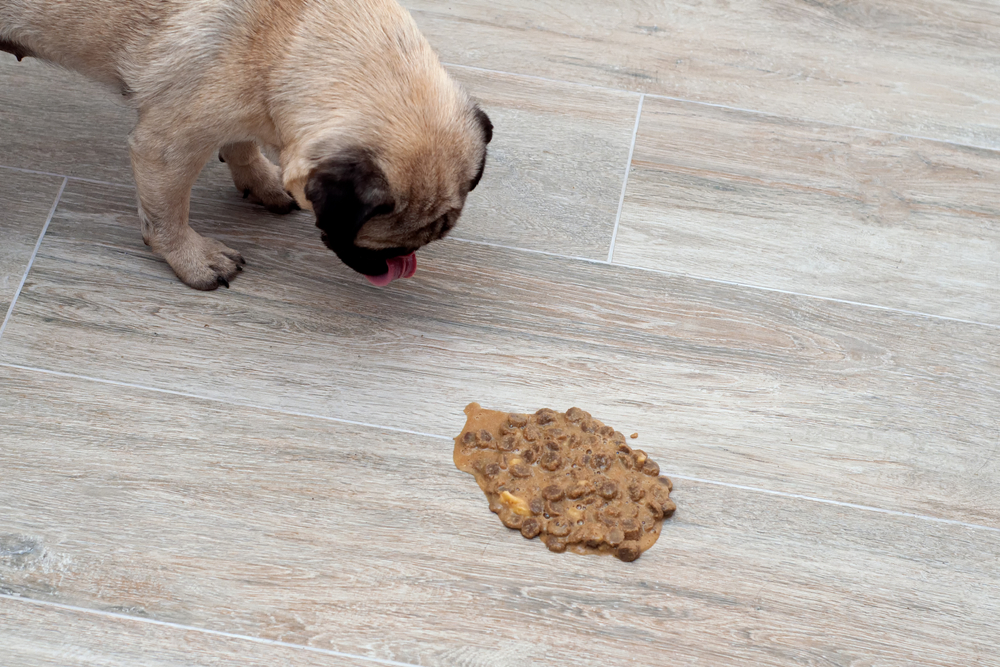
What comes up and how often provides useful clinical information before any testing begins. If you can, snap a quick photo before cleaning up, and note the timing relative to meals.
The appearance of vomit often points toward different categories of cause:
| What it looks like | What it might suggest |
| Yellow or green bile | Empty stomach, possibly bilious vomiting syndrome |
| Undigested food shortly after eating | Eating too fast, or regurgitation rather than true vomiting |
| Dark or coffee-ground material | Digested blood, possibly an ulcer or upper GI bleeding |
| Bright red blood | Active bleeding from the mouth, esophagus, or stomach |
| Foamy white liquid | Stomach acid, often from prolonged emptiness |
Regurgitation, where food comes up passively without retching or abdominal heaving, is genuinely different from active vomiting and may point toward conditions like megaesophagus. The distinction matters because the management is very different.
When to Schedule a Veterinary Evaluation
Most clinicians define chronic vomiting as episodes occurring more than once or twice a week for three weeks or longer, or vomiting that keeps recurring despite short periods of improvement. Schedule an evaluation when you notice:
- Vomiting that has continued for several weeks
- Hairballs in cats more than once a month, or hairball frequency that is increasing
- Unexplained weight loss
- Increased thirst or urination
- Decreased energy or appetite
- Concurrent diarrhea
Older pets warrant particular attention. Many of the senior pet health changes we look for first present as chronic vomiting, including kidney disease, hyperthyroidism, and pancreatitis.
When Vomiting Is an Emergency
Some signs warrant a same-day call rather than a scheduled appointment:
- Vomiting blood or material that looks like coffee grounds
- A distended or visibly painful abdomen
- Unproductive retching with nothing coming up, especially in deep-chested dogs (this can indicate bloat)
- Inability to keep down even small amounts of water
- Severe lethargy or collapse
- Vomiting in very young puppies or kittens, especially with diarrhea
- Vomiting in a senior pet alongside other significant symptoms
If something concerning develops outside our regular hours, our after-hours emergency page can direct you to the right place quickly.
What Causes Chronic Vomiting in Dogs and Cats?
Chronic vomiting is rarely a single-system problem, and accurate diagnosis is what guides effective treatment.
Food, Diet, and Dietary Indiscretion
Food is one of the most common contributors and one of the last things most families think to question. Matching your pet’s nutrition to their specific needs is more nuanced than it might seem. Two distinct mechanisms produce food-related vomiting:
- Food allergies: an immune-mediated reaction to specific proteins, often producing GI signs alongside skin symptoms
- Food intolerances: non-immune reactions where the GI tract simply doesn’t process an ingredient well
Dietary inconsistency, including frequent treats, table scraps, and rotating between brands, perpetuates symptoms because it makes the triggering ingredient impossible to identify.
For pets that like to regularly raid the trash can, eat mystery food off the sidewalk, or eat the feces of other animals, regular vomiting is unsurprising. Swallowed objects are another significant cause. Partial obstructions can produce intermittent vomiting over weeks rather than the dramatic acute presentation most owners expect. Fabric, string, and bits of toys are common causes of on-again, off-again vomiting when the item is small enough to let some food and water pass by, but are too large to make it through the stomach and intestines normally. Surgical or endoscopic removal is often the only fix, both of which are offered at Oliver Animal Hospital.
Systemic and Organ Disease
Vomiting is not always a stomach problem. Several systemic conditions trigger nausea and vomiting as secondary effects, and treating GI symptoms without identifying the underlying cause will not produce lasting improvement.
- Chronic kidney disease: rising toxin levels produce nausea, especially in senior cats
- Liver and gallbladder disease: disrupts digestion and bile flow, causes nausea
- Feline hyperthyroidism: extremely common in older cats, almost always includes vomiting as a symptom
- Pancreatitis: acute or chronic, often easily dismissed as dietary indiscretion
- Exocrine Pancreatic Insufficiency (EPI): prevents normal digestion, causing vomiting and diarrhea
Primary GI Tract Disorders
Once systemic causes are ruled out, the focus shifts to conditions originating within the GI tract itself. Distinguishing between these matters because treatments differ entirely:
- Inflammatory bowel disease (IBD): ongoing inflammation of the intestinal lining, one of the most common diagnoses in chronically vomiting cats and dogs
- GI lymphoma: mimics IBD closely enough that biopsy is often needed to distinguish them, particularly in older cats
- Gastric ulcers: can develop from long-term medications or underlying disease
- Bilious vomiting syndrome: dogs vomiting yellow bile first thing in the morning before eating, usually resolved with feeding schedule changes
- Pyloric stenosis: a narrowing at the stomach’s outflow that causes post-meal vomiting
- Gastric cancer: less common, but worth considering in dogs not responding to initial treatment
Eating Habits and Stress: Two Overlooked Causes
Two contributors to chronic vomiting can look identical to medical causes on the surface, and both are worth addressing before pursuing extensive workup.
The Scarf and Barf Pattern
If your pet eats so fast that food comes back up looking nearly undigested within minutes of finishing the bowl, you’re likely seeing what is colloquially called “scarf and barf.” It is common in:
- Multi-pet households where competition drives speed eating
- Pets with a history of food insecurity (rescues, strays, formerly underfed pets)
- Breeds known for being enthusiastic eaters
The fix is structural, not medical:
- Use a slow feeder bowl with built-in obstacles to slow intake
- Try interactive feeders that turn meals into puzzles requiring time and engagement
- Feed pets separately to remove competitive pressure
- Offer smaller, more frequent meals rather than one or two large ones
- Avoid intense activity immediately before or after eating
Stress and Anxiety
Chronic stress and anxiety produce real GI symptoms, particularly in cats. Stress-related vomiting looks identical to medically caused vomiting and often presents alongside hiding, overgrooming, or shifts in social behavior. Common triggers include:
- Routine disruptions like a new schedule, a move, or a change in the household
- New family members, human or animal
- Ongoing conflict between pets
- Loud or unpredictable environments
Recognizing fear, anxiety, and stress signs is a good starting point if you suspect a behavioral component.
How Does the Diagnostic Workup Work?
Our workup follows a logical sequence designed to confirm or rule out causes efficiently, starting with broad screening and adding targeted testing as the picture clarifies.
| Test | What it evaluates |
| Bloodwork | Organ function, electrolytes, blood cell counts, metabolic disease |
| Urinalysis | Kidney concentration, hydration, infection, metabolic clues |
| Fecal testing | Intestinal parasites, bacterial imbalances |
| Digital X-ray | Foreign bodies, gas patterns, organ size and position |
| Abdominal ultrasound | Detailed soft tissue evaluation of GI tract, liver, pancreas, kidneys |
We run bloodwork, urinalysis, fecal testing, and digital X-ray in-house, with most results returned during the same visit. This means we can often begin building a working diagnosis on the spot rather than waiting days for outside lab turnaround. Established baselines from prior veterinary wellness care visits are genuinely valuable here. A change from “normal” to “still normal but trending up” can be more meaningful than a single result in isolation.
Elimination Diet Trials
When baseline diagnostics don’t identify a cause, a structured diet trial is often the next step. Two approaches work:
- Novel protein diet: a protein source your pet has never been exposed to, eliminating prior immune sensitization
- Hydrolyzed protein diet: proteins broken down to a size the immune system no longer recognizes as a trigger
Strict compliance is essential for an accurate result:
- No treats outside the trial diet
- No table scraps, even small bites
- No flavored medications during the trial window
- No food sharing with other pets in the home
- No over-the-counter “limited ingredient” foods as substitutes; manufacturing cross-contamination makes them unreliable for diagnostic purposes
A trial typically runs eight to twelve weeks. We’ll help you choose the right diet, set up the household for success, and stay on track.
Endoscopy and Biopsy: When Advanced Diagnostics Are Needed
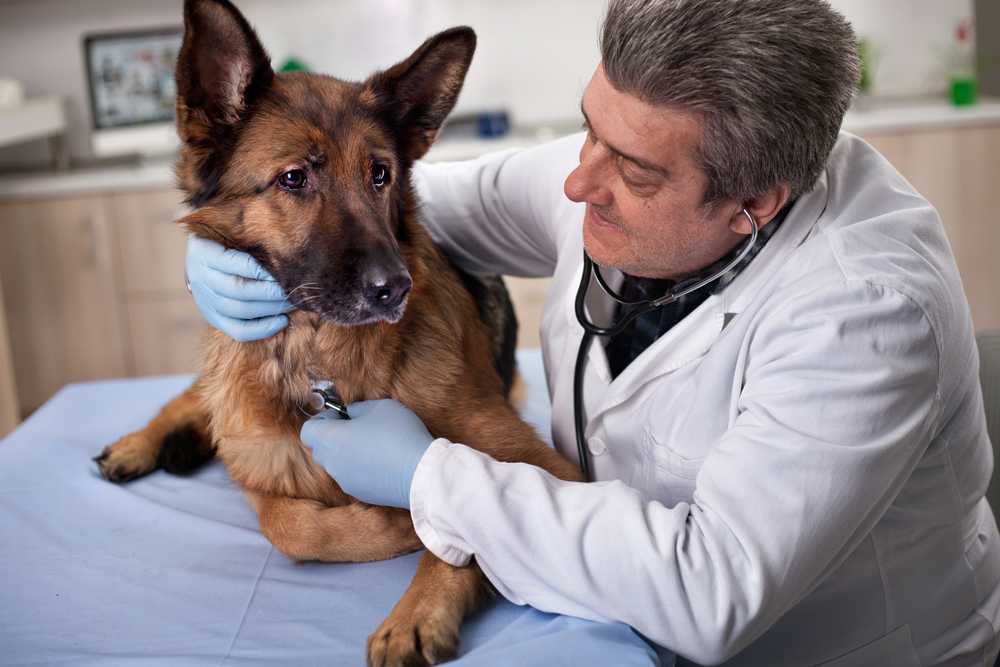
When initial testing and diet trials haven’t identified the cause, the next step is direct evaluation of the GI tract itself. We work with a mobile internal medicine specialist who comes to our hospital, which means your pet receives specialist-level diagnostics in a familiar environment with our team supporting them, rather than traveling to a referral hospital for each step.
Endoscopy as a Minimally Invasive Option
Endoscopy uses a flexible camera passed under anesthesia to directly visualize the upper GI tract and collect tissue samples. The benefits:
- Minimally invasive, with no surgical incision
- Typically rapid recovery
- Direct visualization of the GI lining
- Tissue samples for histopathology in the same procedure
Endoscopy is appropriate when initial testing has not identified the cause, when the GI lining needs direct assessment, or when we suspect a foreign body that might be retrievable without surgery.
Exploratory Surgery and GI Biopsy
When deeper tissue samples or direct examination of the abdominal organs are needed, an exploratory laparotomy allows assessment of multiple organs and the collection of full-thickness GI biopsies at multiple locations. Full-thickness samples reveal conditions that surface endoscopic biopsies may miss.
What Biopsy Results Reveal
Histopathology distinguishes between conditions that can look identical on imaging but require completely different treatment, including IBD, intestinal lymphoma, other GI cancers, infectious disease, and various inflammatory patterns. This distinction is what enables us to recommend targeted therapy rather than empirical treatment based on a best guess. It is also why biopsy, while invasive, often saves time, money, and trial-and-error in the long run.
For cases that benefit from broader subspecialty input, we can also coordinate specialist referrals to outside hospitals.
Treatment Approaches Based on What We Find
Treatment depends entirely on the diagnosis. Three main pathways cover most cases.
Managing Food-Responsive Vomiting
If a diet trial identifies the answer, ongoing management focuses on consistency:
- Maintaining the diet that resolved symptoms long-term
- Establishing household rules about treats and table food
- Communicating with anyone else who feeds your pet about what they can and can’t have
IBD Management
IBD is typically managed through a combination of anti-inflammatory or immunosuppressive medications and dietary adjustments. Individual responses vary significantly, and the plan is adjusted based on each patient’s progress through scheduled rechecks. Many pets achieve excellent long-term control with the right combination, though IBD is generally a managed condition rather than a cured one.
Treating Systemic Causes
When systemic disease is driving the vomiting, the therapeutic focus shifts to the underlying organ condition:
- Kidney disease: dietary management, hydration support, phosphorus binders, and medications targeting specific complications
- Hyperthyroidism in cats: daily methimazole, prescription diet, radioactive iodine therapy, or thyroidectomy depending on the case
- Pancreatitis: dietary management, anti-nausea medication, pain control, and treatment of underlying triggers when identified
Stabilizing the core condition typically produces significant improvement in GI symptoms.
What You Can Do at Home to Support the Process
Your observations between appointments are genuinely valuable diagnostic data. A simple symptom diary tracking the following often clarifies patterns that aren’t obvious otherwise:
- How often vomiting occurs each week
- What it looks like (bile, digested food, undigested food, foam, hairball)
- What time of day or in relation to meals
- What your pet ate beforehand
- Behavioral changes, including appetite, energy, water intake, weight, and stooling patterns
Many pets benefit from supportive products alongside medical management. Our pharmacy carries both dog probiotics and cat probiotics to support gut flora. For cats managing hairballs, Hairball Control Soft Chews and hairball care diets are useful additions.
Frequently Asked Questions
My pet is still acting normal. Does chronic vomiting need to be investigated if there are no other symptoms?
Yes. Many progressive conditions cause few other signs in early stages. Chronic kidney disease, hyperthyroidism, and even early GI lymphoma can all present with vomiting as the primary or only symptom for months before other changes become obvious.
What if I can’t afford the full workup?
Let us know. We can prioritize tests based on your pet’s age, history, and what is most likely given the pattern of vomiting, and work through the diagnostics in a logical order that fits your situation.
Is it possible the vomiting will just stop on its own?
For dietary causes, sometimes. For most other causes, no. Even dietary cases that self-resolve often return.
Can I give my pet something for nausea at home?
Human anti-nausea medications are not safe for pets. If your pet is actively nauseated or vomiting frequently, call us rather than reaching for the medicine cabinet.
My vet elsewhere told me my pet just has a “sensitive stomach.” Should I get a second opinion?
“Sensitive stomach” is a description, not a diagnosis. If chronic vomiting has never been systematically investigated and is still happening, a proper workup is worth pursuing. Many pets managed symptomatically for years turn out to have a specific, treatable condition.
What is the most common cause of chronic vomiting you see?
Dietary sensitivity, IBD, and early organ disease are the most frequent findings. Senior cats with hyperthyroidism or kidney disease make up a significant portion of our chronic vomiting cases.
Getting to a Real Answer
Chronic vomiting is exhausting to manage when no one has identified the cause, and we understand the frustration of watching your pet feel unwell episode after episode without a clear path forward. The methodical approach really does work. We’ll start where the evidence points, follow the diagnostic process as far as it needs to go, and build a treatment plan around the actual diagnosis rather than guesswork. Oliver Animal Hospital handles a wide range of common diseases in pets, including the GI conditions that drive chronic vomiting.
Request an appointment to get started, or reach out with questions. Your pet doesn’t have to keep vomiting, and you don’t have to keep cleaning it up.





Leave A Comment