

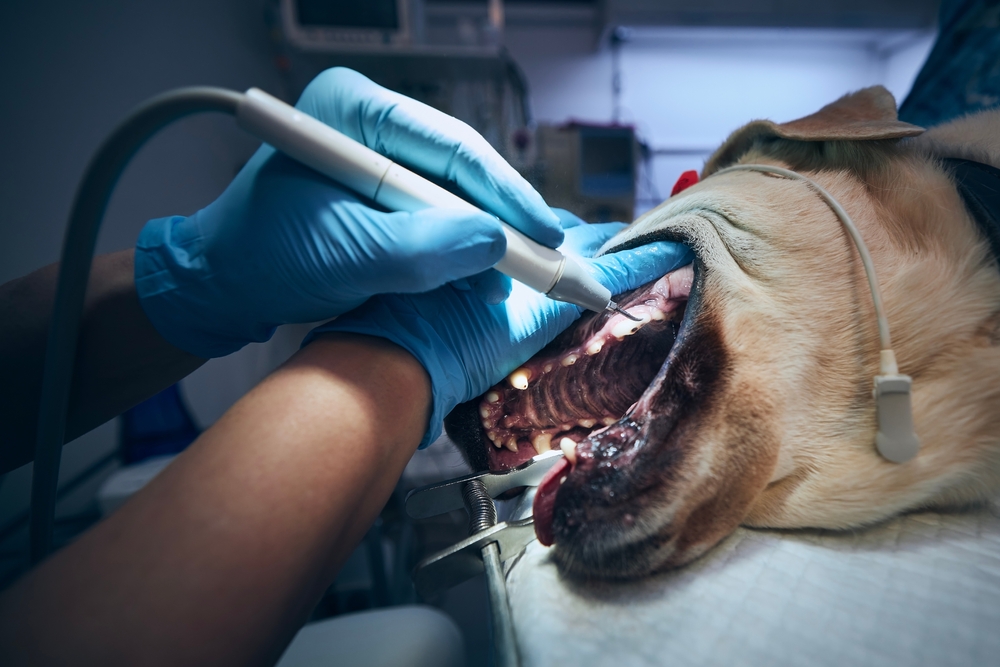
Dental disease can affect your dog’s or cat’s heart in ways you might not expect. Periodontal disease, the medical name for gum disease, creates an ongoing bacterial infection in the mouth that leaves the gums inflamed and prone to bleeding. Those bacteria can slip into the bloodstream through the bleeding gums, travel to the heart, and attach to the valves and inner lining, a condition called infective endocarditis. This is especially risky for pets who already have heart valve problems.
At Oliver Animal Hospital in Austin, we take dental care seriously as part of whole-body wellness, not just an add-on. Our dental services include professional cleanings, periodontal disease assessment, digital dental radiographs, and guidance on keeping your pet’s mouth healthy between visits. If we are ever concerned about your pet’s heart, we have digital X-rays in-house and an expert ultrasonographer who comes to our hospital for cardiac workups. When you have questions about what your dog’s or cat’s teeth might be telling you about the rest of their health, ask our team and we will help you decide on next steps.
Dental Disease and the Heart at a Glance
- Oral infection is a whole-body issue: periodontal disease can affect the heart, kidneys, and liver over time.
- The heart link is documented: the connection between canine gum disease and heart problems appears most clearly in valve changes.
- Control needs both layers: home care plus professional cleanings under anesthesia is the only effective approach.
- X-rays are non-negotiable: 60 to 70 percent of dental disease happens below the gumline, where only radiographs can see it.
How Does Dental Disease Develop in Pets?
Dental disease follows a fairly predictable path, and it gets going again within hours of even a thorough cleaning. Plaque forms on the teeth, hardens into tartar within days, and at that point can only be scraped off, not brushed away. As plaque and tartar build up, the gums become inflamed and irritated, which is gingivitis, and over time the structures holding the teeth in place start to break down, which is periodontal disease. The five stages of pet periodontal disease run from mild gingivitis all the way to severe destruction and eventual tooth loss.
The mouth has a rich blood supply, so inflamed gums bleed easily, and that bleeding gives oral bacteria a route into the bloodstream. With long-standing periodontal disease, that exposure happens almost constantly, and the bacteria can travel to distant organs, including the heart. It is what makes a routine dental cleaning far more than cosmetic care.
What Is the Mouth-Heart Connection?
The relationship between oral health and heart disease has been studied for years in people, and there is growing evidence that the same patterns hold true for our pets. The most direct route is when mouth bacteria reach the heart through the bloodstream and settle on the valves, especially the mitral valve, a serious infection called infective endocarditis. Chronic inflammation plays a part too, since ongoing gum disease keeps the body in a low-grade inflamed state that can wear on the heart over time. And pieces of the bacteria themselves, circulating from the infected mouth, can contribute to changes in organs far from the mouth.
In dogs, the clearest impact is on valve health. Mitral valve disease is the most common acquired heart disease in dogs, particularly in small breeds. Long-standing periodontal disease appears to add to and speed up valve changes in pets who already have valve problems, since those weakened valves are now fighting off bacteria too.
What Other Organs Does Periodontal Disease Affect?
The heart is not the only target. The same bacteria circulating in the bloodstream can also reach the kidneys, where years of exposure contribute to inflammation. The liver can become inflamed from the constant low-level infection, and some inflammatory joint conditions have been linked to chronic oral infection as well. This is why we treat dental health as a whole-body issue at our wellness visits rather than thinking of a dirty mouth as a purely cosmetic concern.
Which Heart-Health Signs Should You Monitor?
If your pet has significant dental disease, knowing the signs of heart disease helps you catch trouble early, since the first signs are subtle and the urgent ones are anything but. The table sorts them by how fast to act:
| Heart-health sign | Urgency |
| Coughing at night or after exertion | Schedule soon, monitor closely |
| Tiring more quickly than usual | Schedule soon, monitor closely |
| Mild restlessness or slight weight or appetite change | Schedule soon, monitor closely |
| Resting respiratory rate over 40 breaths per minute | Same-day evaluation |
| Open-mouth breathing in a cat | Same-day evaluation |
| Pale or blue-tinged gums, or collapse | Emergency |
We are available for urgent and emergency care for dogs and cats in Austin during our regular hours. If you see emergency-level signs outside our open hours, head straight to the nearest 24/7 veterinary ER rather than waiting for us to open. A heart murmur often shows up at a routine wellness exam before any outward signs appear, which is one more reason regular visits matter for pets with ongoing periodontal disease.
What Does Professional Dental Care Include?
Real dental care happens under anesthesia. Without it, we can only scrape the visible parts of the teeth, and we cannot clean or evaluate the area below the gumline, which is where most periodontal disease lives. Dental X-rays are essential, since so much of the disease hides below the gumline where the eye cannot see it. A complete professional dental procedure includes:
- Pre-anesthetic exam and bloodwork to confirm anesthesia safety
- Anesthesia with monitoring throughout the procedure
- Full-mouth dental radiographs to identify disease below the gumline
- Scaling above and below the gumline to remove plaque and tartar
- Probing and charting of gum pocket depths
- Extractions or other targeted treatments for diseased teeth
- Polishing to slow new plaque formation
We monitor closely throughout, and we send pets home with clear instructions and follow-up plans as part of our professional dental cleanings for dogs and cats. If your pet already has heart disease, anesthesia can still be done safely. We may recommend chest X-rays and an echocardiogram first, and we tailor our protocols to each pet’s health needs.
What Home Dental Care Actually Helps?
Professional cleanings handle what is already on the teeth. Home care in between is what determines how often we need to do another cleaning and how involved each one becomes. Brushing is the gold standard, ideally every day, though every other day still beats once a week by a wide margin. Use a pet-safe enzymatic toothpaste, never human toothpaste, which often contains xylitol that is toxic to pets. For pets who will not tolerate a brush, dental wipes are a reasonable alternative.
Dental chews and treats that carry the VOHC seal have been shown to meet specific standards for reducing plaque or tartar, which takes the guesswork out of choosing one. Water additives offer chemical plaque control, and dental diets use kibble shape and ingredients designed to reduce plaque buildup. The best results come from stacking a few tools rather than leaning on just one, so brushing plus a VOHC-approved chew plus annual cleanings does far more than any single step on its own.
Healthy gums do not bleed, and well-brushed teeth carry less bacteria, so staying on top of dental care meaningfully lowers the odds of bacteria reaching your pet’s bloodstream in the first place.
Which Pets Should Be Especially Vigilant?
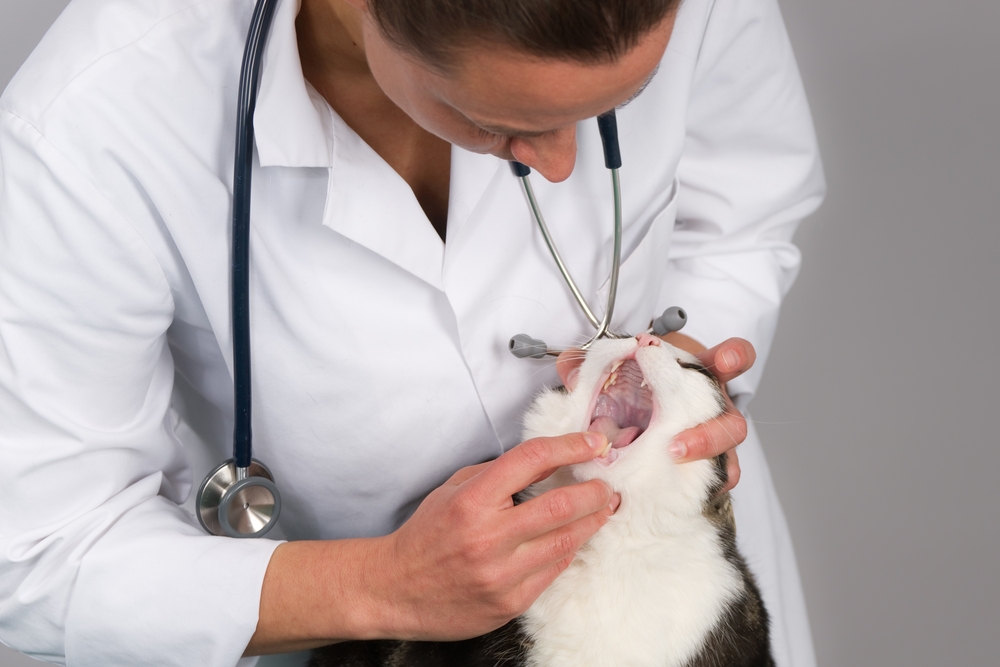
Some pets carry higher risk for the dental-heart connection and deserve extra attention. Small breeds like Toy and Miniature Poodles, Yorkies, Dachshunds, and Cavalier King Charles Spaniels have higher rates of both periodontal disease and mitral valve disease. Flat-faced breeds often have crowded teeth that trap tartar faster. Senior pets have years of accumulated plaque exposure and are more likely to have early heart disease alongside dental disease. And pets with known heart murmurs benefit from particularly diligent dental care.
For these pets, consistent home care and annual or more frequent professional cleanings are worth prioritizing. We can build that schedule into your pet’s wellness plan at their next visit so nothing falls through the cracks.
Frequently Asked Questions About Dental Disease and Heart Health
Will Treating My Dog’s Dental Disease Reverse Heart Disease?
Treating dental disease can slow further progression and calm ongoing inflammation, but it does not reverse structural changes that have already happened to the heart valves. The earlier you intervene, the more benefit, and even for pets already in heart failure, dental care still matters, though the cardiac picture is largely set on its own path by then.
Is Anesthesia for Dental Cleanings Risky for Pets With Heart Conditions?
It calls for more careful planning, not avoidance. For pets with known cardiac disease, we adjust the anesthesia plan, add monitoring, and may recommend further evaluation or a specialist referral before the procedure. The risk of leaving periodontal disease untreated often outweighs the carefully managed risk of anesthesia, and we talk through this with you individually based on your pet’s situation.
How Often Should My Pet Have a Professional Dental Cleaning?
Most adult dogs and cats benefit from annual professional cleanings. Pets with active periodontal disease, broken teeth, or other issues may need more frequent care, while pets with excellent home care and good genetics may stretch a bit longer. We assess this individually at wellness exams.
Can Dental Disease Be Reversed at Home?
Early-stage gingivitis, with red and mildly inflamed gums, can sometimes be reversed with consistent home care. Established periodontal disease, with bone loss and pocket formation, cannot be reversed and can only be managed. The progression can be slowed dramatically, but tissue and bone already lost do not come back on their own.
A Whole-Body Approach to Pet Dental Care
Wondering whether your pet’s dental disease is quietly affecting their heart is exactly the kind of question worth bringing to a veterinarian who knows your pet. We take oral health seriously because we take whole-body health seriously, and we are glad to walk through what your pet’s mouth and heart are telling us, together. Request an appointment and we will help you map out the right next step.





Leave A Comment