

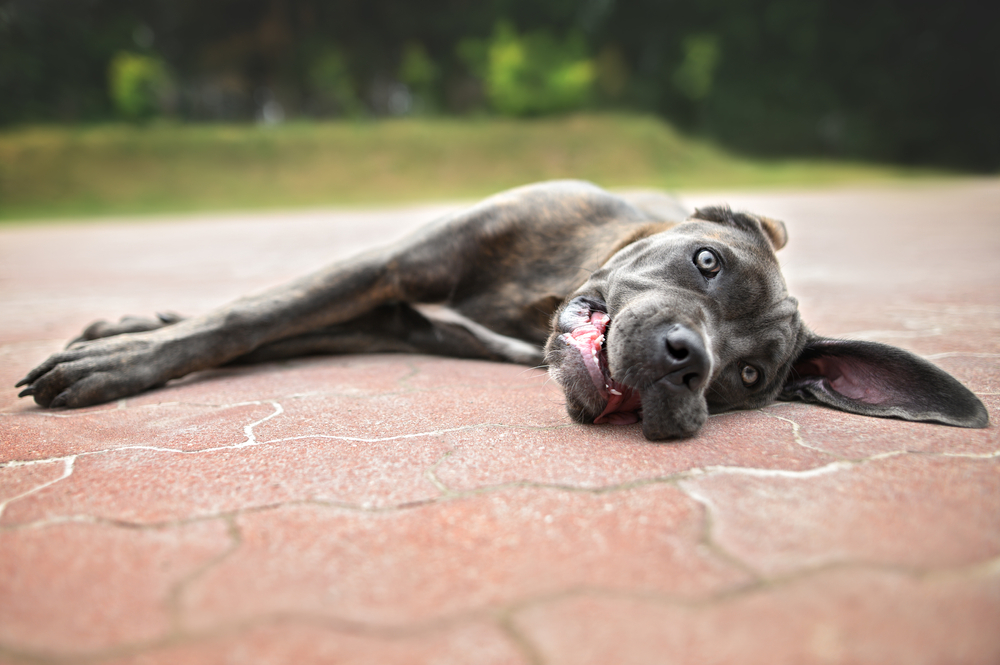
When a pet overheats, the question isn’t “Can I cool at home, or should I go to the vet?”; it’s “How do I cool my pet on the way to the vet?”. Start cooling and head to the vet at the same time. Begin cooling right away with cool (not iced) water on the neck, belly, groin, and paw pads, add airflow, and drive in while the cooling continues, calling ahead so we are ready. In an active, outdoorsy city like Austin, dogs most often overheat in the middle of something fun, a greenbelt hike or a dog-park afternoon, which is exactly when it is easy to push a little too far. Heat stroke strains the kidneys, blood pressure, and clotting, and a dog who seems to recover can still be developing internal damage, so cooling at home is the first step, not the finish line.
Oliver Animal Hospital cares for plenty of adventure-loving Austin dogs, and we know how fast a great day outside can turn. Our emergency care is ready when the heat catches up with a pet. If your dog has overheated, or you want a plan for safe summer outings, contact us and we will help.
Adventuring in the Austin Heat: The Essentials
- If your pet overheats, cool and go at the same time, rather than choosing between them.
- Active dogs most often overheat mid-activity, when the fun masks the warning signs.
- Cool (never iced) water plus airflow is the safe way to cool; ice traps heat in the core.
- A dog who bounces back after overheating can still develop kidney, liver, or clotting trouble over the next 24 to 72 hours.
Should You Cool Your Pet First or Rush to the Vet?
Both, and they work together. Spending several minutes cooling before you leave is not wasted time, because lowering the temperature early protects the organs, but waiting at home until your dog seems fully recovered is a mistake, because the dangerous part of heat stroke is invisible from the outside. The right move is to cool as you go. Follow these steps for cooling:
- Get to shade or AC and out of the heat first.
- Wet the neck, belly, groin, and paws with cool water from a bottle, hose, or the lake.
- Run a fan or open the car windows for airflow on the way.
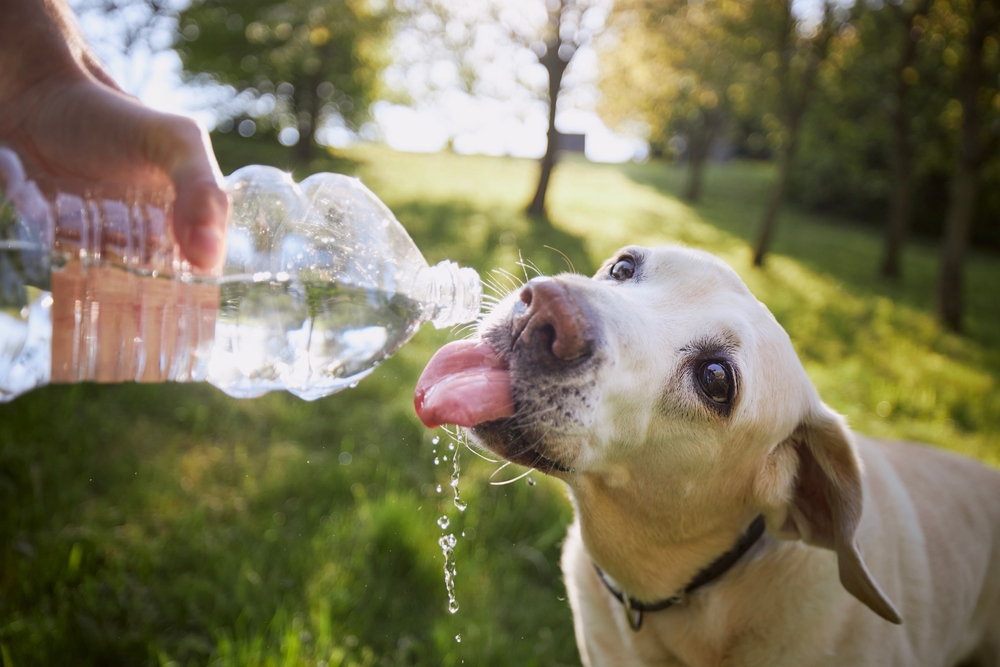
- Offer small sips to an alert dog, never forcing water.
- Keep ice away, since it constricts surface vessels and traps heat.
- Call ahead and drive in, easing off cooling near 103 degrees.
If your dog seems to recover in the car, keep going to the clinic anyway, because the outward picture rarely matches what is happening inside.
Where Do Active Austin Dogs Overheat?
In a city built around the outdoors, most heat stroke we see happens during recreation, not on a sweltering walk around the block. The excitement of an adventure overrides a dog’s instinct to pace themselves, and a dog having a blast will keep going well past the point they should rest. The table below covers the classic Austin outings and how to keep them safe.
| Austin outing | The heat catch | The smart move |
| Greenbelt or trail hike | Sun, distance, and hot rock add up | Go at dawn, carry water, turn back early |
| Midday dog park | Excitement overrides self-pacing | Go early and keep the visit short |
| Lake or swim day | Dogs overheat between swims, not in the water | Shade breaks, fresh water, watch for fatigue |
| Patio hangout | Hot pavement and little shade | A shaded spot, a water bowl, and keep it brief |
The common thread is that water and a swim do not make a dog heat-proof; a dog can overheat on the bank between dips just as easily as on a trail. Austin’s warm season also runs long, from spring into October, so the window for these mishaps stretches across far more of the calendar than in cooler regions, and a March hike on an unseasonably warm day catches dogs just as off guard as an August one.
What Are the Signs to Stop and Cool?
During an outing, the signs that it is time to stop come in a recognizable order, and catching the first ones is what keeps a fun day from turning into an emergency. Early on, heat stroke in pets shows as panting that will not slow between bursts of activity, a dog seeking shade, lagging behind, or flopping down to rest.
If you push past that, the drool turns thick, the gums redden, and the dog grows weak, wobbly, or disoriented, sometimes vomiting. At the severe end, gums go pale, gray, or purple, and a dog may collapse or seize, which is a true emergency. Cats overheat too, and a cat panting with an open mouth is always an emergency, but on an Austin summer day it is usually the over-excited adventure dog who pushes too hard.
Why See the Vet Even if Your Dog Recovers?
Because heat stroke’s worst damage is internal and delayed. Heat stroke treatment combines controlled cooling, IV fluids to support circulation and the organs, and close watch for complications, with the first 24 hours the most dangerous.
The delayed complications are the reason a check is worth it: the kidneys can decline over a couple of days, the liver can show strain on bloodwork, the gut lining can break down into bloody vomiting or diarrhea, the clotting system can spiral into DIC where the body clots and bleeds at once, and the brain can swell, with neurologic signs appearing after an apparent recovery. Oliver Animal Hospital offers urgent and emergency veterinary care in Austin during our regular hours; If your dog overheats after hours, our after-hours emergency information points you to help.
Why Do Some Dogs Overheat Faster?
An individual dog’s build changes how much heat they can handle. Flat-faced breeds, whose airway anatomy limits panting and whose risk climbs with extra weight, have the least margin, and they should sit out the harder adventures in summer. Heavy-coated dogs hold heat, puppies and seniors regulate temperature poorly, and any dog with heart, airway, or endocrine disease tolerates heat less well. Knowing where your dog falls helps you pick outings that match what they can safely handle.
How Do You Plan Safe Summer Adventures?
A little planning lets an active dog keep enjoying Austin summers. A few heat safety habits make the difference: schedule adventures for dawn or after sunset, pack more water than you think you need, build in shade and rest breaks, and condition your dog gradually rather than attempting a big hike on the first hot weekend. Preventing heat stroke outdoors also means using the seven-second pavement test (don’t walk on pavement if you can’t leave your bare hand on it for seven seconds) and turning back the moment your dog lags.
Never leave a dog in a parked car between stops, because the interior turns deadly within minutes, and hot vehicles take pets’ lives every summer even with the windows cracked. A wellness visit is a good time to talk through what your dog can safely take on.
The rest of the household needs a plan too. For outdoor cat safety, keep shaded water refreshed twice daily and offer cool retreats, and treat open-mouth breathing in a cat as an emergency. On days too hot for adventures, channel a high-energy dog into boredom busters and DIY enrichment toys that tire the brain without raising body temperature.
Frequently Asked Questions About Heat Stroke
Should I Cool My Pet at Home Before Driving to the Vet?
Start cooling at home and keep it up on the drive, rather than picking one or the other. A few minutes of cool water and airflow before you leave protects the organs, and continuing in the car loses no time. What you should not do is wait at home to see whether your dog recovers, because the dangerous effects of heat stroke are internal and can take hours to show.
My Pet Was Hot but Seems Fine Now. Do I Still Need to Come In?
If your dog was genuinely overheated, please come in even though they look recovered. Heat stroke’s organ and clotting damage can take a day or two to surface, and a normal-seeming dog may still be affected. A same-day exam and bloodwork settle the question and catch any trouble while it is most treatable.
What Temperature Is Too Hot to Walk My Dog in Austin?
In Texas humidity, most dogs should keep activity to early morning or after dark once it climbs past the mid-80s, and triple-digit afternoons mean no hikes or hard play. Flat-faced, senior, and overweight dogs need an even lower ceiling. The seven-second pavement test is a quick reality check before any outing.
Can My Dog Overheat on a Lake or Swim Day?
A dog absolutely can, more easily than people expect. Dogs cool off in the water but heat right back up on the hot bank between swims, and the excitement keeps them from slowing down. Build in shade breaks, offer fresh drinking water separate from the lake, and watch for heavy panting or fatigue. Swimming is wonderful summer exercise, but it does not make a dog immune to the heat, and plenty of swim-day heat scares actually happen on the drive home, in a hot car after a tiring afternoon.
A Texas-Smart Summer for Your Pet
An active dog can still have a full Austin summer with a little planning: go at the cool hours, pack plenty of water, build in shade and rest, and watch for the signs to stop. If your dog overheats, cool and go at the same time, and come in even when they seem to bounce back.
If you want help planning safe summer outings, or your dog has overheated and needs to be checked, request an appointment or contact us and we will help.




Leave A Comment