


Kennel Cough Explained: Keeping Dogs Healthy in Social Settings
From dog parks to boarding facilities, social dogs face exposure to kennel cough. While it is usually mild, it can cause days of discomfort and risk spreading to others. Preventive vaccines and good hygiene help protect your dog’s respiratory health.
At Oliver Animal Hospital, our compassionate team provides comprehensive care for respiratory conditions, offering same-day appointments and clear guidance to help your dog recover quickly while protecting other pets in your community.
Understanding Canine Infectious Respiratory Disease
That distinctive honking cough your dog developed after a weekend at the boarding facility is more than an annoyance. It is a sign of canine infectious respiratory disease (kennel cough), a common contagious condition that spreads rapidly wherever dogs gather.
Kennel cough is not caused by a single pathogen. It is a complex mix of viruses and bacteria that target the respiratory tract. Common culprits include Bordetella bronchiseptica bacteria, canine parainfluenza virus, and canine adenovirus type 2. These organisms thrive in places where dogs congregate: boarding kennels, daycare facilities, grooming salons, training classes, dog parks, and animal shelters.
Transmission happens through several routes. Airborne droplets from coughing or sneezing carry infectious particles through shared air. Nose-to-nose greetings spread organisms efficiently. Contaminated bowls, toys, and surfaces can remain infectious for hours or even days.
The incubation period is typically two to ten days after exposure. Dogs often become contagious before showing any symptoms. Crowded, poorly ventilated indoor spaces increase risk, and stress from travel or changes at home can weaken immune defenses and make infection more likely.
Recognizing the Classic Signs
Most dogs with kennel cough develop a dry, hacking cough that sounds like honking or gagging. The cough often worsens with excitement, exercise, or pressure on the neck from a collar. Many owners describe it as if their dog has something stuck in the throat.
Common symptoms include:
- Persistent honking or hacking cough
- Gagging or retching, sometimes with a small amount of white foam
- Mild nasal discharge or watery eyes
- Slight lethargy
- Low-grade fever in some cases
Despite the uncomfortable cough, many dogs continue to eat and act normally. That pattern helps distinguish uncomplicated kennel cough from more serious disease.
It is essential to separate mild irritation from true respiratory distress in pets, which requires immediate care.
Emergency warning signs include:
- Open-mouth breathing while resting
- Blue or pale gums
- Pronounced abdominal effort with each breath
- Rapid, shallow breathing
- Collapse or extreme weakness
If your dog shows any of these red flags, contact us for emergency services right away.
How Contagious Is It?
Kennel cough spreads efficiently in social settings. A single infected dog in a daycare facility can transmit the disease to many others within hours. Because dogs shed organisms for weeks, isolation is crucial to prevent community spread.
Your veterinarian will advise when it is safe to return to social activities. A common guideline is to wait at least two weeks after all symptoms resolve. At home, reduce transmission by washing hands after handling a coughing dog and cleaning bowls, toys, and bedding. If you have multiple dogs, separate the sick dog as much as practical during the contagious period. Notify boarding or daycare facilities promptly if your dog develops symptoms after a visit so they can enhance cleaning and communicate with other clients.
When Kennel Cough Becomes Complicated
Most cases resolve with time and supportive care, but some dogs develop complications. Puppies, seniors, and immunocompromised dogs are at higher risk.
Dog pneumonia is the most concerning complication. When infection spreads deeper into the lungs, signs escalate beyond a simple cough. Dogs with pneumonia often have high fever, significant lethargy, loss of appetite, and labored breathing. The cough becomes wet and productive. Without timely treatment, pneumonia can be life threatening.
Not every cough is kennel cough. Collapsed trachea in dogs produces a similar honk, especially in toy breeds, but it is a structural problem that requires long-term management. Cardiac disease can also cause coughing and difficulty breathing (dyspnea), especially at night or during rest.
Our team at Oliver Animal Hospital uses targeted diagnostics to differentiate these conditions and to guide the right treatment from the start.
How Veterinarians Diagnose Kennel Cough
Diagnosis begins with a thorough history. We ask about recent boarding or grooming visits, dog park exposure, travel, and when signs began. During the examination, we listen to the heart and lungs and may gently palpate the trachea to elicit the characteristic cough.
For uncomplicated cases with classic signs, additional testing is often unnecessary. If signs are severe, prolonged, or atypical, our in-house laboratory and imaging help clarify the cause. PCR panels can identify specific pathogens, chest radiographs can reveal pneumonia or structural changes, and bloodwork evaluates overall health. This approach allows us to treat the root cause rather than only the symptoms.
Treatment That Supports Recovery
Uncomplicated kennel cough usually improves within two to three weeks. Comfort-focused home care is the foundation:
- Rest with limited exercise and excitement
- Use a harness instead of a collar to prevent tracheal irritation
- Provide humidified air with a cool-mist humidifier or bathroom steam
- Maintain hydration and nutrition
- Isolate from other dogs until cleared
Your veterinarian may prescribe cough suppressants for nighttime comfort and anti-inflammatory medications to ease throat irritation. Because many cases are viral, antibiotics are not automatically needed. We prescribe them when bacterial infection is suspected or when complications arise. Schedule a recheck if the cough persists beyond three weeks, worsens, or new symptoms develop.
Prevention Through Vaccination and Smart Practices
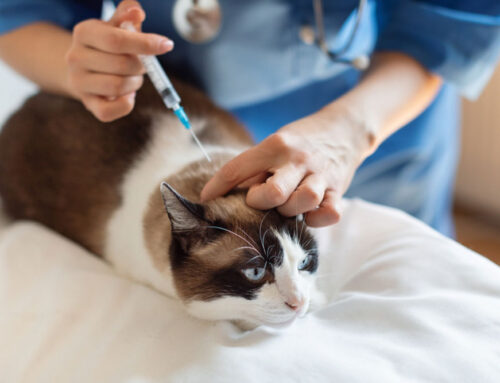
Vaccinations for dogs create the foundation for protection. The Bordetella vaccine, along with protection against parainfluenza and adenovirus type 2, reduces risk and severity.
Vaccination is not a guarantee of complete immunity, since vaccines target the most common organisms. Vaccinated dogs that still become ill usually experience milder, shorter disease. Timing matters. Immunity can take days to weeks to build, so plan ahead for boarding or daycare. Many facilities require current vaccination and may not accept dogs vaccinated within the previous week. Our team can help you decide the right time for your dog’s Bordetella vaccination.
Bring your pet’s own bowls if possible, confirm the facility’s ventilation and cleaning protocols, and ask about illness policies. Good hygiene at home is equally important. Ventilate shared spaces, disinfect bowls and toys, and avoid crowded indoor events when respiratory disease is circulating in the community.
Can Kennel Cough Affect Cats?
While less common than in dogs, Bordetella infection in cats does occur, especially in multi-pet homes and shelters. Symptoms include sneezing, nasal discharge, coughing, fever, and lethargy. Kittens and immunocompromised cats are most vulnerable. If your cat develops respiratory signs while your dog has kennel cough, contact us. Temporary separation and routine hygiene help reduce cross-species spread.
When Immediate Care Is Needed
Most kennel cough cases are manageable at home, but certain signs demand urgent attention:
- Struggling to breathe or rapid, shallow breathing
- Blue, gray, or pale gums
- Open-mouth breathing at rest
- Collapse, extreme weakness, or inability to stand
- High fever with severe lethargy
- Refusal to eat or drink for more than 24 hours
- Coughing fits that cause vomiting or loss of consciousness
During business hours, our team provides urgent care for respiratory concerns. After hours, you should use an overnight emergency hospital.

A Clear Path Back to Health
With the right care and isolation, most dogs recover from kennel cough without lasting effects. Gradual return to activity prevents relapse. Start with short, calm walks, increase duration slowly, and continue using a harness to avoid tracheal irritation. Maintain vaccination schedules and reach out if a new cough appears after boarding, daycare, or park visits.
At Oliver Animal Hospital, we combine comprehensive diagnostics with gentle, low-stress handling to help your dog recover quickly and safely. Whether you need same-day evaluation for a new cough or guidance on prevention before a boarding stay, our team is here to help.
Ready to schedule? Request an appointment or call (512) 892-1000. Visit us at 6000 West William Cannon, Suite 100-B, Austin, TX. We look forward to caring for your dog with the thoughtful, world-class approach your family deserves.

Leave A Comment