

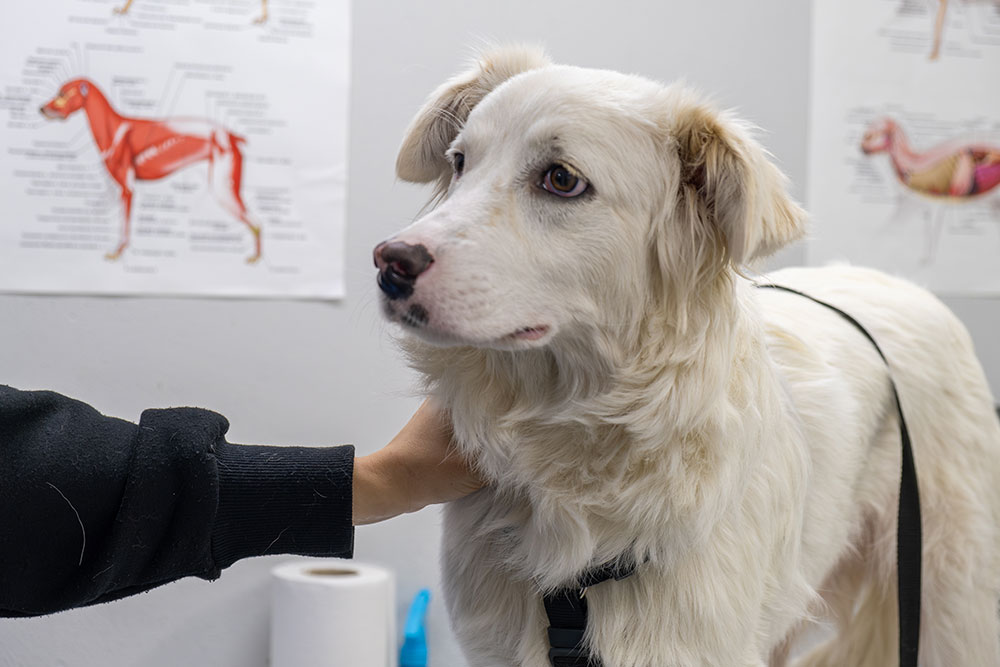
Keeping Senior Dogs Healthy Through Preventive Care
At Oliver Animal Hospital, we know how deeply families treasure their aging dogs. Every gray muzzle tells a story of loyalty, and our goal is to make every chapter ahead just as vibrant. As dogs grow older, preventive care becomes essential for maintaining energy, mobility, and comfort. Regular checkups, bloodwork, and close observation for subtle behavior changes can reveal illnesses long before they advance. From arthritis management to heart support, proactive veterinary care helps senior dogs live comfortably and confidently at every stage.
What Happens as Dogs Get Older
Aging affects every system in your dog’s body. Metabolism slows, joints stiffen, organs become less efficient, and cognitive function may decline. While some changes are natural, many signs that owners attribute to “just getting old” actually indicate treatable medical conditions.
A dog who stops jumping on the couch may be avoiding pain from arthritis, not showing stubbornness. Increased thirst could signal kidney disease or diabetes. Disorientation or pacing at night may suggest cognitive decline. Recognizing these early signs allows your veterinarian to take action before problems worsen.
Supporting your senior pet requires consistent veterinary care. Twice-yearly exams, bloodwork, and imaging help identify subtle changes in organ function. Preventive testing for senior pets enables timely intervention to preserve comfort and quality of life.
At Oliver Animal Hospital, our comprehensive wellness care includes customized senior screenings that detect disease early. Our gentle handling techniques, quiet exam spaces, and compassionate approach help older pets feel relaxed and understood. We take extra time to explain results and create realistic home care strategies, because your dog’s golden years should be full of ease and affection.
Health Conditions That Affect Aging Dogs
Senior dogs are prone to chronic conditions, but with attentive care, most can be managed successfully. Understanding these issues helps owners respond quickly when symptoms appear.
Arthritis and Joint Pain
Osteoarthritis is one of the most common and painful conditions in senior dogs. Damaged cartilage causes inflammation, stiffness, and reduced mobility. You may notice hesitation on stairs, slower walks, or difficulty rising.
Management includes anti-inflammatory medications, joint supplements, and controlled exercise. Exercises for dogs with osteoarthritis such as gentle leash walks or swimming maintain strength without strain. Assistive devices and an arthritis-friendly home with ramps or non-slip flooring help prevent injury. Our pain management services provide tailored treatment so dogs stay active and comfortable throughout their senior years.
Heart Disease
Heart disease becomes increasingly common as dogs age. Valve degeneration and weak heart muscles reduce circulation, leading to coughing (especially at night), labored breathing, and fatigue.
Heart disease diagnosis begins with your vet listening for murmurs or irregular rhythms. Imaging such as X-rays or echocardiograms evaluates heart size and function.
Treatment often includes medications to improve heart strength, reduce fluid buildup, and regulate rhythm. Monitoring your dog’s resting respiratory rate at home helps detect changes early. With careful management, many dogs live happily for years after diagnosis.
Kidney and Liver Disease
When kidney or liver function declines, toxins build up in the bloodstream, causing fatigue, weight loss, and appetite changes. Chronic kidney disease develops gradually, while liver disease in dogs may cause jaundice, vomiting, or swelling.
Diagnosis requires bloodwork and urinalysis, and early treatment can greatly extend lifespan. Diets formulated for kidney or liver support, along with fluids and medications, help manage symptoms. Our in-house laboratory allows us to monitor results and adapt treatment quickly to keep pets stable and comfortable.
Endocrine Disorders
Hormonal imbalances are another common issue in senior dogs.
Diabetes mellitus occurs when the pancreas produces insufficient insulin or the body resists it. Signs include increased thirst, urination, and weight loss. Diabetes in pets is manageable with daily insulin, diet, and glucose monitoring.
Hypothyroidism results from an underactive thyroid, slowing metabolism and causing lethargy, weight gain, and thinning hair. Hypothyroidism in dogs is easily diagnosed and treated with oral hormone replacement. With proper care, dogs with these disorders lead full, happy lives.
Cognitive Dysfunction Syndrome
As dogs age, brain changes can affect memory and behavior. Cognitive dysfunction syndrome causes confusion, sleep changes, and anxiety. Dogs may pace, stare at walls, or forget familiar routes.
Consistent routines, gentle exercise, and enrichment toys help keep the brain active. Diets enriched with antioxidants and omega-3s support cognitive function. While the condition is progressive, early management keeps senior pets engaged and content.
Cancer
Cancer risk increases significantly with age. Types of cancer in pets range from benign lumps to aggressive tumors. Early detection through exams and diagnostics offers the best outcomes.
Any new lump, wound, or change in appetite warrants a checkup. At Oliver Animal Hospital, our same-day appointments ensure prompt evaluation and treatment options tailored to your dog’s condition.
Dental Disease
Dental disease affects most older dogs and can cause severe pain or infection. The bacteria from dental disease can cause widespread issues including worsening heart, liver, and kidney disease.
Our dental care services include full cleanings and extractions when needed. Regular home brushing and dental chews between visits help keep your dog’s mouth healthy and infection-free.
Creating Comfort at Home
Supporting a senior dog involves more than medical care—it’s about comfort and consistency. Provide orthopedic bedding that cushions joints, and use rugs or mats to prevent slipping. Raise food and water bowls to reduce neck strain.
Maintain daily walks to preserve mobility, and try swimming for low-impact exercise. Supplements for senior dogs like glucosamine and omega-3s may support joint and brain health when approved by your veterinarian.
Establish a predictable schedule for meals, play, and rest to reduce anxiety. Gentle play, soft toys, and social time all keep your dog mentally sharp and emotionally fulfilled.
Pain management is essential—never use human medications. Work with your veterinarian to develop a safe, effective plan for lasting comfort and mobility.
The Power of Prevention
Routine veterinary visits are key to keeping senior dogs thriving. Twice-yearly exams, lab tests, and imaging detect disease early and track ongoing conditions.
At Oliver Animal Hospital, we focus on preventive medicine and comprehensive care for every stage of life. Our experienced team provides gentle, personalized attention to reduce stress during visits. We believe that prevention is the cornerstone of long, healthy lives—and that thoughtful adjustments in nutrition, lifestyle, and monitoring can add years of happiness for senior pets.
If emergencies arise, we offer same-day urgent care and provide after-hours emergency and poison control resources to help you find immediate assistance.

Helping Your Senior Dog Thrive
Aging doesn’t have to mean slowing down. With proactive veterinary care, supportive home adjustments, and compassionate monitoring, senior dogs can remain joyful, active members of the family for years to come.
At Oliver Animal Hospital, we partner with you to celebrate every stage of your dog’s life. From pain management to preventive screenings, our team is here to guide you through the changing needs of senior care with empathy and expertise.
If your dog is entering their senior years or showing signs of slowing down, schedule a wellness exam today. Together, we’ll help your pet age with comfort, dignity, and joy. Contact us to learn more about our senior care services and how we can support your best friend through every stage of life.



Leave A Comment