
When your veterinarian delivers the news that your dog or cat has heart disease, the world can feel like it stops for a moment. You might suddenly hear unfamiliar medication names like Pimobendan or Furosemide, and feel overwhelmed trying to understand what they mean for your pet’s daily routine. Why does my pet need so many pills, and what does each one actually do? These are questions we hear often, and they deserve clear answers. The good news is that modern medicine provides powerful tools to manage heart conditions, helping your pet feel better and extending the time you have together.
At Oliver Animal Hospital in Austin, TX, we understand the complexity of cardiac medications and are committed to making treatment straightforward and effective. Managing heart health often involves a combination of drugs like Pimobendan, diuretics, and ACE inhibitors, and we use diagnostics such as X-rays and ultrasonography to tailor the right plan. We want to be your trusted partner in this process, providing world-class medical care and helping you monitor progress every step of the way. If you have concerns about your pet’s heart health, please request an appointment.
Why Do Pets Need Multiple Heart Medications?
Heart medications can look complicated on paper, but their purpose is simple: help the heart work more efficiently, reduce fluid buildup, and keep your pet comfortable. Most pet owners encounter three pillars of therapy: Pimobendan, diuretics like furosemide, and ACE inhibitors such as enalapril or benazepril.
Because heart failure affects multiple body systems, one medicine rarely provides complete support. The range of heart disease medications includes options that work together: Pimobendan helps the heart pump and relaxes vessels, diuretics remove excess fluid, and ACE inhibitors lower blood pressure and fluid retention. Combined, they provide stronger, more balanced support than any single drug alone.
These medications are often used together for best results, and doses are individualized based on your pet’s condition and response. Our team relies on clear communication to keep your pet’s plan right-sized and centered on comfort. If questions pop up between visits, you can contact us for guidance.
What Heart Conditions Need Medication?
Some pets are born with heart issues; others develop them later in life. Medications are used when the heart struggles to pump effectively or when fluid starts to collect in the lungs or abdomen.
Dogs often develop valve problems, especially mitral valve disease, which can lead to leakage and heart enlargement. Cats more commonly face muscle disorders like hypertrophic cardiomyopathy, while others may develop dilated cardiomyopathy or restrictive cardiomyopathy.
Some pets have congenital heart disorders from birth, including patent ductus arteriosus that may require surgery. Rhythm problems like sick sinus syndrome, common in Schnauzers, affect the heart’s natural pacemaker. Arrhythmias can appear in both dogs and cats and may need specific medications.
Early detection happens through exams, listening to the heart, and targeted tests. Our clinicians use X-rays, bloodwork, and ultrasound to clarify the diagnosis and build a tailored plan. Explore our veterinary care services to learn more about our approach.
How Do We Diagnose Heart Disease?
Accurate diagnosis guides appropriate treatment. We use several tools to visualize heart structure, assess function, and identify rhythm abnormalities.
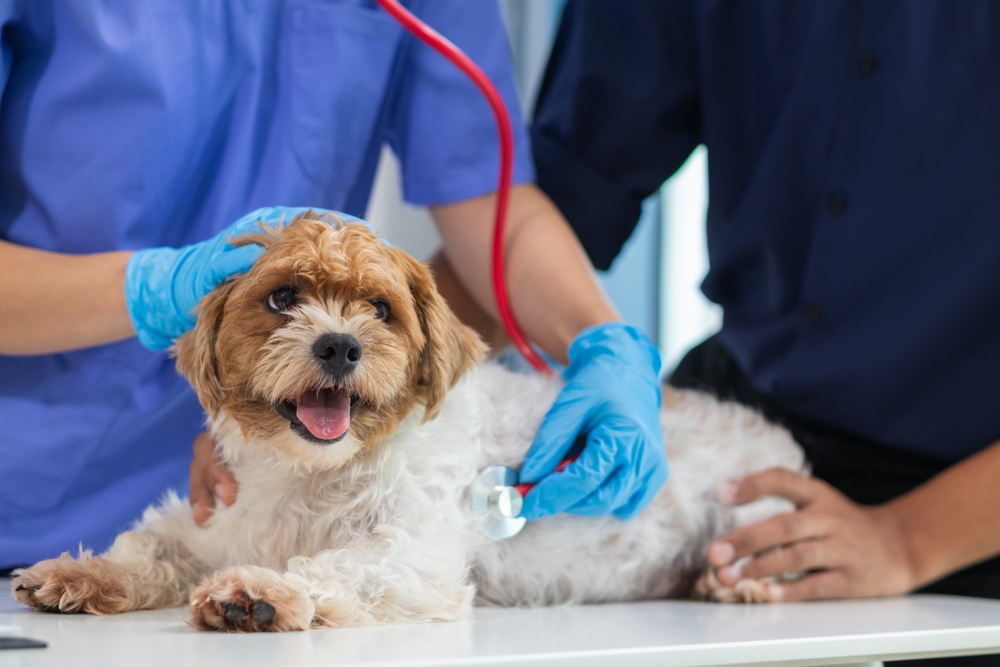
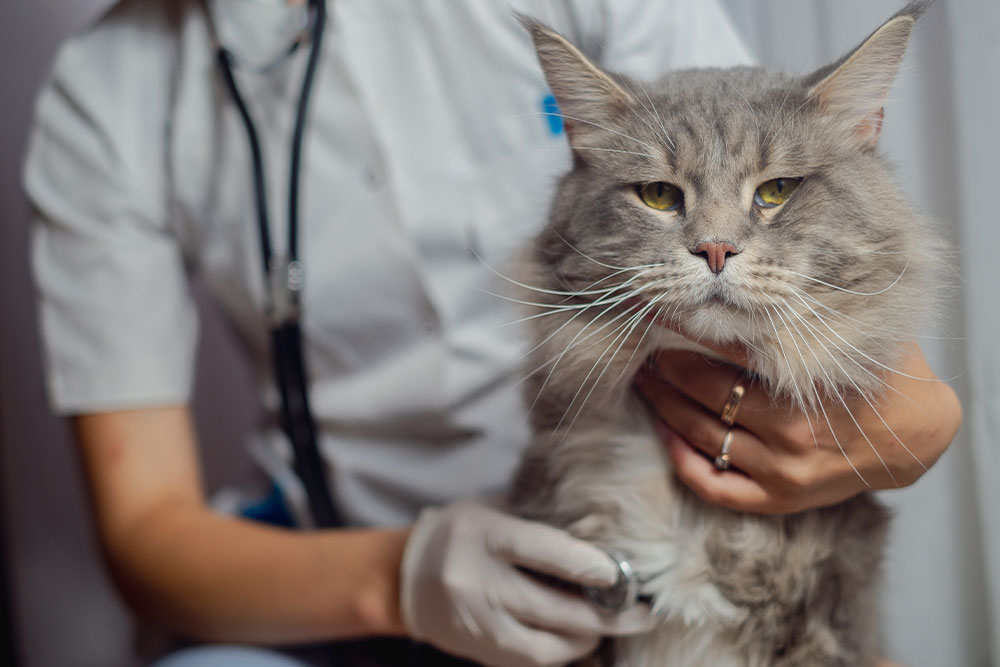
Echocardiograms use ultrasound to measure chamber size, assess valve function, and evaluate pumping efficiency. Electrocardiograms record the heart’s electrical activity to identify rhythm problems. X-rays show heart size and detect fluid in the lungs. During physical exams, we listen for heart murmurs that suggest underlying valve or structural issues.
Combined with full physical exams and laboratory testing, these tools provide a complete picture of cardiac health and help us monitor treatment effectiveness over time. Our services page outlines the diagnostic capabilities we offer.
What Warning Signs Should You Watch For?
Recognizing early cardiac disease signs helps begin treatment before symptoms become severe. Dogs and cats show heart problems differently, so knowing what to watch for matters.
Common heart disease signs in dogs include persistent cough, especially at night, and reduced exercise ability where dogs who once enjoyed long walks now lag behind or ask to stop sooner. Cats are often subtler, showing rapid or labored breathing, hiding behavior, or panting, which is abnormal and requires prompt attention.
Pale or blue gums indicate poor oxygen delivery. Weakness or collapse episodes deserve immediate evaluation. If you notice these changes, please request an appointment.
Breeds at Higher Risk for Heart Disease
Certain breeds are genetically predisposed to specific cardiac conditions. If you share your life with one of these breeds, staying alert to early warning signs and scheduling regular cardiac screenings can make a real difference in catching problems early.
Dogs prone to mitral valve disease (MVD): Cavalier King Charles Spaniels, Dachshunds, Miniature and Toy Poodles, Chihuahuas, and other small breeds. MVD causes the heart’s mitral valve to leak over time, and it’s extremely common in Cavaliers- screening is recommended even in young dogs of this breed.
Dogs prone to dilated cardiomyopathy (DCM): Doberman Pinschers, Great Danes, Irish Wolfhounds, Boxers, and Cocker Spaniels. DCM weakens the heart muscle, reducing its ability to pump effectively. Dobermans are particularly at risk, and annual cardiac screening is often recommended for this breed.
Dogs prone to congenital heart defects: Golden Retrievers and Newfoundlands (subaortic stenosis), Bulldogs and French Bulldogs (pulmonic stenosis), and German Shepherds (various structural defects). These conditions are present from birth and may be detected during puppy exams.
Cats prone to hypertrophic cardiomyopathy (HCM): Maine Coons, Ragdolls, British Shorthairs, Persians, Sphynx, and Bengals. HCM causes the heart muscle to thicken abnormally, and it’s the most common heart disease in cats. Genetic testing is available for some breeds, and echocardiograms can detect the condition before symptoms appear.
If you have a breed predisposed to heart disease, talk with us about appropriate screening schedules. Early detection often means more treatment options and better outcomes.
When Does Heart Disease Become an Emergency?
Congestive heart failure occurs when the heart can no longer pump effectively, leading to fluid accumulation in the lungs, abdomen, or both.
Watch for these critical warning signs:
- Increased resting breathing rate (over 40 breaths per minute while sleeping)
- Labored breathing or open-mouth breathing, especially in cats
- Coughing that worsens at night or when lying down
- Distended abdomen from fluid accumulation
- Appetite loss or sudden weight changes
Respiratory distress with labored breathing, gasping, or extreme restlessness is always an emergency. Early intervention during heart failure episodes can stabilize pets and prevent life-threatening complications. For guidance on what constitutes an emergency, visit our emergencies page.
Pimobendan: Why It’s Often the First Choice
Pimobendan helps the heart pump stronger while relaxing blood vessels to improve blood flow. It gives the heart more “push” and less resistance, making it a cornerstone therapy for congestive heart failure in dogs with valve disease or certain muscle disorders.
Key points about pimobendan:
- Helpful in mitral valve disease and some cardiomyopathies
- Typically given twice daily, often on an empty stomach
- Can extend quality time by improving energy and breathing comfort
- Not appropriate for obstructive forms of hypertrophic cardiomyopathy
Most improvements are gradual. You may notice smoother breathing and better stamina within days to weeks. Consistency matters, so try not to skip doses. Side effects are uncommon and usually mild, though you should let us know if appetite changes or digestive upset occurs.
Diuretics: Clearing Fluid to Ease Breathing
Diuretics move extra fluid out of tissues and into the urine, easing coughing, heavy breathing, and belly swelling. Furosemide is the most commonly used and acts quickly to reduce lung fluid. Dosing is individualized and may change with symptoms and rechecks. Spironolactone is often added to support fluid control.
Because diuretics affect hydration and electrolytes, we check kidney values and adjust dosing as needed. You can expect increased urination and thirst as normal effects of the medication.
Our in-house laboratory allows us to monitor these values efficiently. If your pet’s breathing worsens or you notice sudden changes, same-day appointments are often available when needed.
ACE Inhibitors: Lightening the Heart’s Workload
ACE inhibitors like enalapril and benazepril calm a hormonal system that tightens blood vessels and holds onto salt and water. By dialing it back, they lower blood pressure, reduce fluid retention, and lighten the heart’s workload. They’re often used alongside pimobendan and diuretics in dogs with heart failure.
These medications can also support control of systemic hypertension. We monitor kidney values and electrolytes to ensure safe progress. Most pets tolerate these medicines well, but dizziness, digestive upset, or weakness warrants a call to our team.
Other Heart Medications Your Pet Might Need
Some pets need medications that slow the heart rate or control rhythm problems. Beta-blockers like atenolol can help in cats with certain hypertrophic cardiomyopathy types or in dogs with specific arrhythmias. They reduce oxygen demand and calm abnormal rhythms but aren’t right for every patient.
Monitoring with EKGs and blood pressure checks guides safe dosing. We coordinate with local specialists when advanced rhythm care is needed. To meet the clinicians who guide this work, visit our team page.
How to Monitor Your Pet at Home
Your observations guide timely dose adjustments and help us catch changes early.
Start by counting resting breaths once daily when your pet is asleep. Under 30 per minute is typical for most pets; sustained counts over 40 signal worsening fluid that requires veterinary contact.
Weekly weighing helps track fluid status. Sudden weight gain can indicate fluid retention, while rapid loss may mean excessive fluid removal or reduced appetite. Ensure fresh water is always available since cardiac medications increase thirst.
Watch for signs like lethargy, weakness, vomiting, or poor appetite that might indicate dehydration or electrolyte issues. When concerns arise, our expert veterinary care helps us track progress and adjust treatment.
Can Pets with Heart Disease Still Exercise?
Appropriate activity can benefit pets with heart disease when done correctly. Gentle, regular exercise helps maintain muscle tone, support healthy weight, and improve quality of life.
Heart-healthy exercise for cardiac patients includes short, leisurely walks at your dog’s pace, gentle play sessions, and indoor activities when weather or symptoms make outdoor exercise difficult. The critical rule is letting pets set the pace and stopping if they show fatigue, increased breathing, coughing, or reluctance to continue.
Avoid strenuous exercise, hot or humid conditions, and activities causing excitement or stress. Multiple short sessions often work better than one longer walk. We can discuss safe activity levels during recheck visits.
Practical Tips for Giving Heart Medications
Create a routine, use rewards, and confirm dosing with our team if anything is confusing.
- Build a schedule that fits your day using alarms and pill organizers
- Pair doses with something positive, like a small approved treat
- Ask about flavored medications or compounding if your pet resists tablets
- Keep a simple log of doses, breathing rates, and behavior changes
- Never adjust doses on your own; call for advice if you miss one
- Store medications safely and check refills before you run out
Our onsite and online pharmacy makes refills straightforward. If you need guidance, contact us.
Austin Considerations: Heat and Heart Health
In Central Texas, heat can compound breathing issues for pets with heart disease. High temperatures increase panting, which can be hard for compromised hearts, so keep walks shorter and choose cooler times of day. Seasonal allergens can add coughing and congestion too. If symptoms spike with weather changes, let us know so we can help determine whether they’re allergy or heart related.
FAQs: Common Questions About Heart Medications
Why is my pet suddenly breathing faster?
Faster breathing at rest can mean fluid buildup. Count breaths per minute while your pet sleeps. Over 40 is concerning and warrants contact.
Do heart pills have to be given forever?
Most cardiac medicines are long-term. Dosing adjusts over time to maintain comfort with the fewest necessary medications.
What if I miss a dose?
Give it when remembered if within a few hours. Otherwise, skip and continue the normal schedule without doubling up unless specifically advised.
Can diet help my pet’s heart?
Yes. Balanced nutrition and calm, low-intensity activity often help. We can guide safe limits based on your pet’s condition.
Your Partner in Cardiac Care
Heart disease is serious, but the right medication plan and close monitoring can bring relief, energy, and more good days. Our team at Oliver Animal Hospital will walk beside you through diagnosis, medication selection, and every recheck, with gentle handling and clear explanations. We prioritize comfort, practical routines, and proactive follow-up.
If your pet has new symptoms or you’re ready to start a heart care plan, please request an appointment or contact us. We’re here to answer questions and be your partner in caring for your pet’s heart health.