
The Immune System Gone Wrong: Blood Diseases That Require Urgent Care
Autoimmune blood diseases can be difficult for pet owners to recognize at first. Subtle changes like pale gums, unexplained bruising, or sudden fatigue can be the earliest signs that a pet’s immune system is targeting its own blood cells. These conditions can progress quickly, which is why early evaluation matters. At Oliver Animal Hospital in Austin, our team approaches these cases with quiet, gentle handling and careful diagnostics woven into our veterinary care services, allowing us to assess red blood cells, platelets, and overall stability as soon as a pet arrives.
When symptoms escalate, Oliver Animal Hospital offers emergency care for pets who appear suddenly weak, short of breath, or rapidly declining. Families who notice concerning changes can request an appointment for same day evaluation, and we prioritize communication that supports both pet and owner throughout the process. If you need guidance or feel unsure about what your pet is experiencing, contact us so we can begin determining what is happening and provide the thoughtful, compassionate support your pet deserves.
When Your Pet’s Defense System Turns Against Itself
Imagine your dog refusing breakfast, moving slowly, or showing gums that look almost white instead of healthy pink. These moments create immediate worry, and that concern is valid. Autoimmune blood diseases develop when the body’s protective system mistakes healthy blood cells as threats.
Normally, the immune system fights germs and abnormal cells. In these disorders, it targets red blood cells or platelets, leading to severe anemia, bleeding problems, or both. Because progression can be fast, early recognition and care matter.
In this guide, we’ll cover common signs, how vets diagnose these issues, and the main treatment steps. Our team has helped many Austin families through these diagnoses, and clear information can ease anxiety and support better decisions.
What Happens When Blood Cells Become Targets
The immune system can create antibodies against red blood cells, platelets, or both. Red blood cells carry oxygen; when they’re destroyed too quickly, anemia develops. Platelets help blood clot; when numbers drop, minor bumps can lead to ongoing bleeding.
These conditions may be:
- Primary: no clear trigger found
- Secondary: linked to infections, certain medications, cancer, or autoimmune blood diseases. Related autoimmune reactions in cats can vary in intensity and speed, though cats develop these conditions less frequently than dogs.
Identifying whether a trigger exists matters for treatment planning. Secondary cases may improve once the underlying cause is addressed, while primary cases require long-term immune suppression. Certain breeds face higher risk, including Cocker Spaniels, English Springer Spaniels, Miniature Schnauzers, and Poodles, making awareness of early symptoms especially important for these families.
Our in-house lab helps us begin workup right away by checking blood counts and looking closely at cell changes, providing the individualized evaluation these complex immune conditions require.
When Red Blood Cells Disappear Too Quickly
Immune-mediated hemolytic anemia is one of the most urgent conditions we see. Antibodies mark red blood cells for destruction, causing rapid anemia.
Common signs include:
- Extreme lethargy, weakness, or collapse
- Pale or yellow gums and whites of the eyes
- Fast breathing at rest
- Refusing food
- Dark brown or orange urine
That yellow tint (jaundice) and dark urine happen when broken-down red blood cells overwhelm the body’s ability to process them. Severe anemia limits oxygen delivery to organs and can worsen quickly.
Certain breeds face higher risk for this condition. Breed predisposition in Cocker Spaniels is well documented, and English Springer Spaniels, Miniature Schnauzers, and Poodles also develop IMHA more frequently than other breeds. Families with these dogs should know the early warning signs and seek evaluation promptly if symptoms appear.
Our services include urgent stabilization and immunosuppressive therapy for pets showing these signs. Many pets improve when treatment starts promptly. If you notice these symptoms, seek veterinary care as soon as possible.
Tick-Borne Infections That Can Trigger IMHA
In Central Texas, tick exposure is a year-round concern, and certain tick-borne infections can provoke the immune system into attacking red blood cells. Ehrlichia and Anaplasma are bacterial infections transmitted by ticks that can trigger immune-mediated destruction of blood cells. Cases of IMHA secondary to Babesia show how parasitic infections can also set off this dangerous response.
This connection makes comprehensive tick disease testing essential when diagnosing anemia. Identifying and treating an underlying infection can sometimes resolve the immune attack entirely, changing the treatment approach and improving outcomes. Year-round tick prevention reduces exposure to these triggers and remains one of the most effective ways to protect at-risk pets.
The Hidden Risk of Blood Clots During IMHA
Dogs with IMHA face a paradoxical danger: while their bodies destroy red blood cells, they also struggle to break down blood clots properly. This creates risk for dangerous clots (thrombi) forming in the lungs, abdomen, or limbs, even while a pet is receiving treatment for anemia.
Warning signs of blood clotting complications in IMHA require immediate attention: sudden breathing difficulty, painful or swollen limbs, or collapse. For pets at high risk, veterinarians may prescribe anti-clotting medications alongside immunosuppressive therapy to reduce thrombosis risk. Close monitoring during the early treatment phase helps catch these complications before they become life-threatening.
If your pet is being treated for IMHA and develops any of these signs, contact our emergency care team immediately.
When Clotting Fails
Immune-mediated thrombocytopenia happens when antibodies destroy platelets, making normal clotting difficult. Platelets are small cell fragments that clump together to stop bleeding; without enough of them, even minor injuries can cause prolonged bleeding.
Watch for:
- Tiny red or purple spots on skin, gums, or eyes (petechiae)
- Bruising without a clear cause, especially on the belly or inner legs
- Nosebleeds
- Pink or red urine
- Black, tarry stool
- Bleeding that lasts longer than expected after a small scratch
Pets may act normal initially, even as subtle bleeding appears. We use gentle handling during diagnosis to avoid causing additional bruising. With proper medication, most pets regain healthy platelet counts. We monitor with repeat blood tests and tailor treatment to each pet’s response.
When Multiple Blood Cell Types Are Under Attack
Some pets develop concurrent immune-mediated conditions affecting both red blood cells and platelets. This means risks from anemia and bleeding occur at the same time, creating a more complex clinical picture that requires careful coordination.
These cases often need hospitalization and close monitoring. We may balance transfusions for anemia with careful management of bleeding risk, while adjusting immunosuppressive medications based on how each blood cell line responds. Treatment must address competing needs, with medication changes guided by frequent lab work and clinical assessment.
Many pets still achieve remission with consistent care and teamwork between families and our veterinary team. We keep families informed through every treatment stage, explaining what we’re seeing and why we’re making adjustments.
How Veterinarians Identify These Hidden Conditions
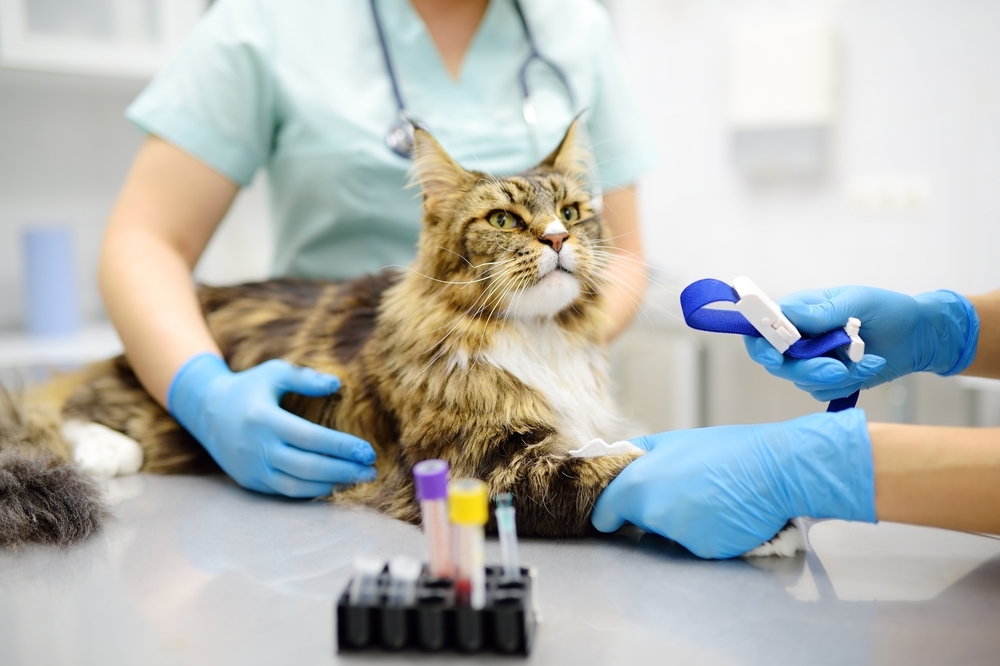
Diagnosis starts with a thorough exam and simple observations: gum color, heart rate, breathing, and signs of bruising or bleeding. We listen to heart and lungs, assess energy and comfort, and gather detailed history about what you’ve noticed at home. Blood testing provides the core information.
Key tests include:
- Complete blood count: numbers of red blood cells, white blood cells, and platelets
- Blood smear: how cells look and whether they clump, providing clues about immune destruction
- Coombs test: checks for antibodies attached to red blood cells
- Reticulocyte count: shows bone marrow response to anemia
- Chemistry panel: evaluates organ function
- Tick-borne disease testing: screens for infections that may be triggering the immune attack
Our lab delivers fast results, helping us act quickly. We also look for triggers using imaging, additional bloodwork, and screening for other immune-mediated diseases. Finding an underlying cause can change the treatment plan entirely.
Treatment Approaches That Support Recovery
Treatment aims to stop the immune attack and keep pets stable while their body recovers. Many pets start with hospital care and then transition home with close follow-up.
- Immunosuppressive medications: Steroids like prednisone often help within one to two days. Some pets need an added immunosuppressive drug to improve control and reduce steroid side effects.
- Supportive care: Fluids, oxygen for comfort in anemia, anti-nausea or appetite support, stomach protectants, and blood transfusions when severe anemia requires stabilization while medications take effect.
- Anti-clotting medications: For IMHA patients at high risk for thrombosis, blood thinners help prevent dangerous clots from forming while immunosuppressive drugs work to stop the attack on red blood cells.
- Monitoring: Frequent blood counts at first, then less often as numbers improve. Ongoing checks for months help keep recovery on track.
Treatment plans are individualized to each pet’s condition, with adjustments based on lab results and clinical response. Our pharmacy helps ensure medication access throughout recovery.
What Pet Owners Can Expect Long-Term
Most pets reach remission with treatment, meaning blood counts return to normal and remain stable. Some can eventually stop medications, while others stay on low doses long-term to prevent relapse.
Expect more frequent visits in the first few months for blood tests and dosage adjustments. As your pet stabilizes, visits decrease, but periodic monitoring remains important to catch changes early. Most pets show improvement within the first week, though full stabilization takes longer.
Positive signs of recovery include better appetite, increased energy and interest in play, gums returning to healthy pink, easier breathing, and resolution of bruising or bleeding.
Steroids can cause increased thirst, urination, appetite, or panting. Less common issues include infections or stomach upset. We aim for the lowest effective doses and adjust as your pet improves.
Relapses can occur, especially if medications are tapered too quickly or if a trigger returns. If your pet seems weak, gums look pale, or new bruising appears, contact us immediately rather than waiting for the next appointment. Our veterinary wellness care includes structured follow-ups so you have a clear plan.
Supporting Your Pet Through Treatment at Home
Consistency and calm care at home make a big difference. As a pet owner, you become a key partner in your pet’s recovery.
- Give medications exactly as prescribed, and do not stop early without guidance.
- Limit vigorous activity during early recovery. For low platelet counts, avoid rough play and potential bumps.
- Provide soft bedding and a stress-free environment.
- Offer fresh water at all times and plan for more frequent bathroom breaks if medications increase thirst.
A simple daily log helps track your pet’s progress:
- Energy, appetite, and gum color (check morning and evening)
- Any bruising or bleeding, especially on the belly
- Medication times and doses
- Urine and stool appearance (watch for blood)
- Questions for your next visit
Watch closely for signs of blood clots, which can develop even during treatment: sudden difficulty breathing, limb pain or swelling, or collapse. These require immediate veterinary attention.
Report side effects like vomiting, diarrhea, or accidents in the house. We can adjust the plan to keep your pet comfortable while maintaining control of the condition. Same-day appointments are available for urgent concerns, and our team is here to answer questions between visits. We’d rather provide early reassurance than have you wait while problems escalate.

FAQs
What is immune-mediated hemolytic anemia?
It’s when the immune system destroys red blood cells, causing anemia and weakness. Red blood cells carry oxygen, so when they’re destroyed faster than the body can replace them, pets become tired, weak, and may have trouble breathing. It can progress quickly and needs urgent care.
What is immune-mediated thrombocytopenia?
It’s when the immune system destroys platelets, making it hard for blood to clot properly. Look for bruising, nosebleeds, or small red dots (petechiae) on the skin or gums.
Are these conditions treatable?
Yes. With timely diagnosis, immunosuppressive medication, and monitoring, many pets reach remission and live full, happy lives. Some pets can eventually taper off medications, while others need ongoing low-dose therapy to stay stable.
When should I seek emergency care?
If your pet collapses, has very pale gums, trouble breathing, black stools, or ongoing bleeding, seek emergency care right away. Fast breathing at rest, sudden limb swelling, or new weakness also warrant immediate evaluation.
Can these diseases come back?
Relapses can happen, especially if medications are reduced too quickly or triggers remain. Keep follow-up appointments, watch for early signs, and call us if symptoms return. Early recognition allows quick adjustments to maintain stability.
Can tick prevention help prevent IMHA?
Year-round tick prevention reduces your pet’s exposure to tick-borne diseases that can trigger IMHA. While prevention won’t eliminate all cases, removing this important risk factor is one of the best protective steps you can take, especially in areas like Austin where ticks are active throughout the year.
Your Partner in Managing Complex Immune Conditions
Autoimmune blood diseases can feel frightening at first, but many pets improve with prompt care. Early recognition of pale gums, unusual bruises, or sudden fatigue can change the outcome. Our diagnostic tools, treatment options, and compassionate approach mean you’re not alone in this.
If you’re seeing concerning changes or want to discuss symptoms, contact us or request an appointment today. We offer same-day evaluations for urgent needs and will partner with you to guide treatment, reduce worry, and support your pet’s recovery. Schedule now so we can help your dog or cat feel better as soon as possible.