


Itchy Pet? Your Complete Guide to Allergy Relief Options for Dogs and Cats
If you’ve ever been woken up at 2 AM by the sound of your dog scratching or noticed your cat obsessively grooming themselves bald, you know how exhausting allergic skin disease can be for everyone in the household. Your pet is miserable, you’re worried, and nothing seems to help for long. The good news? Effective relief is absolutely possible once we find the right approach for your individual dog or cat.
Today’s allergy treatments include several excellent options: Apoquel, Cytopoint, cyclosporine, topical therapies, immunotherapy, and steroids. Each works differently, and the best choice depends on your pet’s species, specific situation, your lifestyle, and what’s actually causing all that itching. Many pets do best with a combination of approaches tailored to their triggers, medical history, and your household’s routine.
At Oliver Animal Hospital in Austin, our team takes a thoughtful, individualized approach to allergy and itch management for both dogs and cats, supported by in-house diagnostics, same-day appointments, and gentle handling that keeps stress low. Through our comprehensive veterinary care services, we help families compare treatment options and build plans that make sense for their pet today and down the road. Request an appointment to talk through itch therapies and find a solution that actually works.
Why Is My Pet So Itchy All the Time?
Allergic dermatitis is what happens when your pet’s immune system overreacts to everyday substances that shouldn’t cause problems. Instead of ignoring harmless things like pollen or dust mites, the immune system treats them like invaders and launches an inflammatory response. The result? Skin that feels unbearably itchy.
Dogs and cats with atopic dermatitis (environmental allergies) react to things like pollen, mold, dust mites, and grass. Food allergies trigger reactions to certain proteins in the diet. Flea allergy dermatitis means even a single flea bite can set off weeks of misery in both species.
Dogs typically show allergies by:
- Scratching at ears, face, armpits, and belly
- Licking and chewing paws
- Developing hot spots and skin infections
- Recurring ear infections
- Hives in acute reactions
Cats often show allergies differently:
- Overgrooming leading to hair loss, especially on the belly and legs
- Miliary dermatitis (tiny scabs and bumps, often along the back)
- Eosinophilic granuloma complex (raised lesions on skin or mouth)
- Head and neck scratching
- Ear problems
Here’s where things get tricky: itching creates a vicious cycle. Your pet scratches or overgrooms, which damages the skin. Damaged skin gets infected with bacteria or yeast, which makes it itchier. More scratching leads to more damage, and round and round it goes.
Breaking this cycle is the key to relief. Effective allergy management treats both the immediate itch and the underlying cause. Through thorough veterinary wellness care, we look for patterns, rule out other issues, and create a plan tailored to your pet.
Could Food Be Making My Pet Itchy?
Food allergies develop when your pet’s immune system decides that a particular protein in their diet is the enemy. Unlike environmental allergies that often flare seasonally, food allergies typically cause year-round symptoms in both dogs and cats.
Signs that food might be the culprit:
- Itching that doesn’t follow a seasonal pattern
- Recurrent ear infections (especially in dogs)
- Gastrointestinal signs like vomiting or loose stools alongside skin problems
- Head and neck itching (particularly common in cats with food allergies)
- Itching that doesn’t respond well to typical allergy medications
Here’s the frustrating part: the only reliable way to diagnose food allergies is through a strict diet trial lasting 8 to 12 weeks. Blood and saliva tests for food allergies aren’t reliable, despite what some companies claim. During a diet trial, your pet eats only a novel protein or hydrolyzed diet with absolutely no treats, table scraps, or flavored medications. For cats, this also means no hunting or sneaking food from other pets. It takes commitment, but it’s the only way to know for sure.
What About Flea Allergies?
Flea allergy dermatitis is one of the most common causes of itchy skin in both dogs and cats, and it only takes one bite to trigger a reaction in sensitive pets. When a flea bites, it injects saliva into the skin. Pets with flea allergies are hypersensitive to proteins in that saliva, and a single bite can cause intense itching for weeks.
The tricky part? You might never see a flea because pets are so good at grooming them off. This is why year-round parasite prevention is absolutely essential for itchy pets. Even if you think fleas aren’t the problem, keeping your pet protected eliminates one major variable and prevents flea allergies from complicating other allergic conditions. All pets in the household need protection, not just the itchy one.
How Does Apoquel Work to Stop the Itch?
Apoquel is a daily oral tablet that targets specific itch and inflammation signals in the immune system. By blocking these signals, it reduces the urge to scratch quickly and effectively.
What makes Apoquel a popular choice for dogs:
- Fast relief, often within 4 to 24 hours
- Easy to give at home as a tablet
- Works for both seasonal flares and year-round management
- FDA-approved for dogs 12 months and older (but it is sometimes prescribed for cats, too)
- Pairs well with topical therapies and other treatments
The catch? Apoquel needs to be given daily to maintain control. Some dogs start with twice-daily dosing during flares, then move to once daily for maintenance. If you miss doses, the itching typically returns.
Our in-house and online pharmacy makes refills simple, and we check in regularly to ensure Apoquel is delivering steady relief.
What Makes Cytopoint Different?
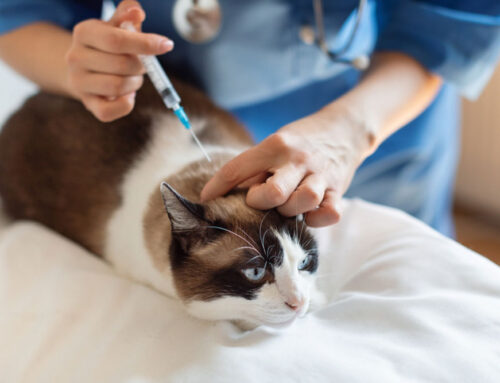
Cytopoint takes a completely different approach. It’s an injection that uses a laboratory-made antibody to neutralize interleukin-31, a specific protein that triggers the itch sensation. One injection at our clinic typically provides relief for 4 to 8 weeks.
Important note: Cytopoint is only approved for dogs. Cats require different treatment strategies.
Why families love Cytopoint for their dogs:
- No daily pills to remember
- Minimal side effects since it doesn’t broadly suppress the immune system
- Safe for puppies, seniors, and dogs with other health conditions
- Quick, well-tolerated injection
- Can be timed with wellness visits for convenience
Cytopoint is ideal for dogs who resist taking pills, families with busy schedules, and dogs who have health concerns that make other medications tricky. It also pairs beautifully with topical therapies and medicated baths.
Our team will help plan the right schedule based on your dog’s flare patterns. Contact us to discuss whether Cytopoint might be a good fit.
How Can Topical Therapies Help My Itchy Pet?
Topical therapy is an often-underestimated part of allergy management for both dogs and cats. These products deliver medication directly to the skin, restore the skin barrier, and reduce bacterial and yeast overgrowth that makes itching worse.
Types of topical therapies:
- Medicated shampoos: Contain ingredients like chlorhexidine, ketoconazole, or oatmeal to calm inflammation, fight infection, and soothe irritated skin. Bathing also physically removes allergens from the coat. (Yes, some cats can be bathed with patience and the right approach!)
- Leave-on conditioners and mousses: Moisturize and protect the skin barrier, available in rinse-free formulas for cats who won’t tolerate baths.
- Medicated sprays and wipes: Target specific areas between baths without a full grooming session, perfect for cats.
- Prescription topicals: Stronger medications for localized problem areas.
The beauty of topical therapy is that it can reduce your pet’s reliance on oral medications and works alongside any other treatment. We can recommend specific products based on your pet’s species, skin condition, and tolerance for grooming- our online pharmacy has great options.
Can Immunotherapy Provide Long-Term Relief?
If your dog or cat has environmental allergies and you’re tired of managing symptoms forever, immunotherapy might be worth considering. Unlike medications that control symptoms, allergen-specific immunotherapy actually addresses the root cause by gradually retraining your pet’s immune system to tolerate allergens.
Immunotherapy is available as regular injections given at home or as sublingual immunotherapy drops placed under the tongue daily. The sublingual option can be particularly appealing for cats, since it’s often easier than injections. Both require allergy testing first to identify your pet’s specific triggers.
What to expect:
- Results take time, typically 6 to 12 months to see significant improvement
- About 60 to 80 percent of pets show meaningful response
- Your pet will likely need symptomatic treatment while immunotherapy takes effect
- Success can mean reduced flare frequency and severity, and sometimes reduced medication needs
Immunotherapy requires patience and commitment, but for pets with confirmed environmental allergies, the long-term payoff can be significant. If testing suggests your pet is a good candidate, we’ll map out a schedule, set realistic expectations, and support you every step of the way.
What About Other Allergy Treatment Options?
While the options listed above are typically the preferred methods for treating allergies, there are a few other medications that can work well for itchy pets.
Cyclosporine (Atopica): This oral medication modifies the immune response for allergic dermatitis in cats and dogs. It typically takes a few weeks to reach full effect, but it’s excellent for long-term management. It comes as a liquid that’s easier to take than pills. Some pets experience initial stomach upset, but this usually improves with time.
Antihistamines: While less reliably effective than other options, some cats and dogs respond well to antihistamines like chlorpheniramine or cetirizine. They’re safe for long-term use and can be part of a combination approach.
When Are Steroids the Right Choice?
Corticosteroids like prednisone (for dogs) and prednisolone (for cats) are the heavy hitters of allergy treatment. They work by broadly suppressing the immune and inflammatory response, which means they’re incredibly effective at stopping itching fast. Many pets feel dramatically better within a day or two.
Steroids shine in these situations:
- Severe, acute flare-ups that need immediate control
- Allergic reactions causing significant swelling or hives
- As a bridge while other therapies (like immunotherapy or cyclosporine) take effect
- Short-term relief while we’re figuring out the underlying cause
- Cats who need effective itch control
The downside is that steroids come with side effects, especially with long-term use. Increased thirst, appetite, and urination are common in both species. Extended use can lead to weight gain, muscle weakness, increased infection risk, diabetes (particularly concerning in cats), and hormonal changes.
We typically reserve steroids for short courses when possible, using the lowest effective dose for the shortest time needed.
How Do These Treatments Compare?
| Treatment | How It Works | Speed | Duration |
| Apoquel | Daily oral tablet blocking itch signals | 4-24 hours | Requires daily dosing |
| Cytopoint | Injection neutralizing itch protein | 1-3 days | 4-8 weeks per injection |
| Cyclosporine | Oral immune modifier | 2-4 weeks | Requires daily dosing |
| Steroids | Broad immune suppression | 1-2 days | Variable; best short-term |
| Topicals | Applied directly to skin | Variable | Requires regular use |
| Immunotherapy | Retrains immune system | 6-12 months | Long-term |
There’s no single “best” option. Many pets do well with a combination approach, and what works can change over time. Factors like species, cost, ease of administration, your pet’s other health issues, and how symptoms present all guide our recommendations.
What Can I Do at Home to Help My Itchy Pet?
Medication is important, but daily habits can significantly lower your pet’s itch threshold and sometimes reduce how much medication they need.
Parasite prevention: Keep up with year-round flea, tick, and heartworm prevention for all pets in the household. Even one flea bite can trigger days of scratching in sensitive pets.
Regular grooming: For dogs, baths remove allergens from the coat and soothe irritated skin. For cats, regular brushing helps, and some cats can learn to tolerate occasional baths. Ask us about the right approach for your pet.
Skin nutrition: Nutrition for skin health matters more than you might think. Omega-3 fatty acids support the skin barrier in both dogs and cats, and the right diet can reduce inflammation from the inside.
Ear care: Allergic pets are prone to ear infections. Regular ear cleaning can prevent discomfort and catch problems early.
Environmental control: Wash bedding weekly in hot water, use air purifiers, and reduce dust and mold in your home. For cats, consider HEPA filters near favorite sleeping spots.
We’ll help you prioritize steps that fit your lifestyle and make the biggest difference for your pet.

How Do We Figure Out What’s Causing the Itch?
A clear diagnosis guides the right treatment plan. We start with a thorough history and nose-to-tail exam, looking for patterns in when and where your pet itches.
Our diagnostic process may include:
- Ear cytology: Examining ear samples under the microscope to identify yeast or bacteria
- Skin cytology: Sampling skin to check for infection
- Skin scraping: Looking for mites like mange (dogs) or Demodex (both species)
- Fungal culture: Ruling out ringworm, especially in cats
- Bloodwork: Ruling out conditions like hypothyroidism in dogs or hyperthyroidism in cats that can affect skin health
- Allergy testing: Blood tests or intradermal skin testing to identify environmental triggers for immunotherapy candidates
- Diet trials: Strict elimination diets to diagnose food allergies
Because allergies can shift with seasons and age, follow-up visits help us fine-tune the plan. Our in-house lab speeds results so we can move quickly from evaluation to relief.
FAQs: Your Itchy Pet Questions Answered
Can I combine different treatments safely? Yes, in many cases. We’ll advise on safe combinations for your pet’s specific situation.
My cat is licking herself bald. Is that allergies? Often, yes. Overgrooming is one of the most common ways cats show allergic skin disease. It can also indicate stress, pain, or other conditions, so a thorough evaluation helps us determine the cause.
Are there any allergy medications I can give my pet at home? Some antihistamines are safe for pets, but effectiveness varies. Never give your medications without checking with us first, as many human medications are toxic to pets.
Could food be causing my pet’s allergies? Possibly, especially if itching is year-round and doesn’t respond well to environmental allergy treatments. A strict diet trial is the only reliable way to find out.
When does itching become an emergency? Seek immediate care if your pet has facial swelling, difficulty breathing, hives spreading rapidly, or severe swelling after an insect sting or new medication. These can signal serious allergic reactions requiring urgent treatment.
Finding Relief That Actually Lasts
Living with an itchy pet is exhausting, but you don’t have to figure this out alone. Whether your dog or cat needs fast relief from a flare, long-term management for chronic allergies, or a deep dive into what’s actually causing the problem, we’re here to help.
Request an appointment or contact us today. If your dog or cat can’t stop scratching, licking, or overgrooming, let’s create a plan that brings real relief.

Leave A Comment