

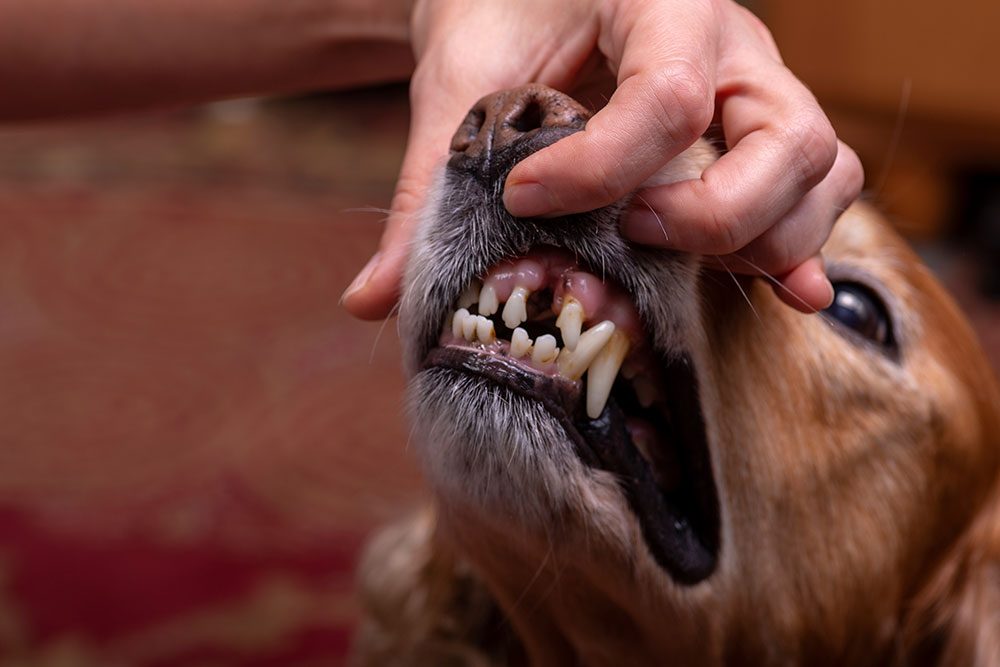
It often starts small: a bit of tartar, mild gum redness, or that “dog breath” smell that seems normal. But without consistent care, these early signs of dental disease can quickly escalate into painful, dangerous conditions. Bacteria in the mouth spread below the gumline, eroding bone and soft tissue. Small tooth fractures can progress into abscesses; minor gum inflammation can destroy bone and lead to jaw fractures; and small oral tumors can grow unchecked until they invade surrounding structures.
At Oliver Animal Hospital in Austin, we believe regular dental exams and home care aren’t just about fresh breath- they’re about preventing pain, infection, and even life-threatening illness.
How Small Dental Problems Become Major Health Risks
Dental disease is progressive. Without routine cleanings and exams, what begins as mild gingivitis can advance to severe periodontal disease. In early stages, bacteria accumulate along the gumline, irritating soft tissue. Left unchecked, these bacteria infiltrate deeper layers, dissolving the bone that supports the teeth. Eventually, teeth loosen, fall out, or fracture.
A fractured tooth may seem like a minor issue, but when the pulp inside the tooth becomes exposed, bacteria can enter the root and form a painful abscess. These abscesses can spread behind the eye, resulting in a dangerous retrobulbar abscess that causes swelling, pain, and even blindness.
In other cases, untreated infection can erode into the nasal passages, creating an oronasal or oroantral fistula– an open connection between the mouth and nose that leads to chronic nasal discharge, sneezing, and discomfort.
Once bone loss advances, the risks become even more severe. The jawbones of small dogs and cats can become so weakened that normal chewing pressure leads to mandibular fractures. These fractures are painful, often difficult to repair, and may prevent pets from eating normally again.
In extreme cases, untreated infection spreads into the bloodstream, overwhelming the body’s defenses and leading to sepsis, a life-threatening condition affecting multiple organs. Pets with weakened immune systems, diabetes, or kidney disease are at even greater risk because their bodies can’t contain oral infection as effectively.
When “Minor” Dental Issues Turn Major
Neglecting dental care allows small, preventable conditions to evolve into painful, costly emergencies:
- Tooth fractures and abscesses:Even small chips can expose the sensitive pulp chamber. Without treatment, bacteria enter the root and form abscesses that may spread into the sinus or eye socket.
- Loose or missing teeth:Chronic infection weakens the periodontal ligament, leading to instability or tooth loss, which is painful and permanently alters chewing ability.
- Bone loss and jaw fracture:Prolonged periodontal inflammation destroys bone support. Eventually, even gentle chewing or grooming pressure can cause a break.
- Untreated oral tumors:Without regular dental exams, small growths can grow aggressively, invading bone and soft tissue until surgical removal becomes impossible or disfiguring.
- Deep infection and systemic illness:Oral bacteria travel through blood vessels, lodging in the heart, liver, and kidneys. This can cause chronic inflammation, endocarditis, or multi-organ infection.
Over time, the constant presence of bacteria from infected teeth and gums can affect nearly every system in the body. The heart valves are particularly vulnerable to bacterial colonization, leading to murmur development and heart failure in severe cases. Similarly, kidney and liver tissues- organs responsible for filtering waste- must process this ongoing bacterial load, leading to chronic inflammation and scarring.
Why Professional Cleanings Are Essential
Professional veterinary dental cleanings aren’t cosmetic- they’re medical procedures designed to halt and reverse disease.
A true dental cleaning requires anesthesia to properly clean below the gumline, where infection begins. Anesthesia-free pet dentals might make teeth look whiter but can’t remove plaque and tartar under the surface or detect hidden issues like root exposure or bone loss. Worse, they give a false sense of security while disease continues unchecked.
During a professional cleaning at Oliver Animal Hospital:
- Each tooth is examined, charted, and cleaned above and below the gumline.
- Dental X-rays reveal root infections, fractures, and bone resorption that can’t be seen during an awake exam.
- Anesthetic monitoring and pre-procedure bloodwork ensure the safest experience possible.
- Diseased teeth can be treated or extracted before they cause pain or infection spread.
Anesthesia allows thorough care without stress or discomfort. Pets wake up pain-free, and many owners notice improved energy and appetite once oral pain is resolved.
Home Dental Care: The Foundation of Prevention
At-home care is vital for maintaining the results of professional cleanings and preventing recurrence. Daily brushing with pet-safe toothpaste physically removes plaque before it hardens. If brushing isn’t possible, VOHC-approved products such as chews, gels, and rinses provide valuable bacterial control.
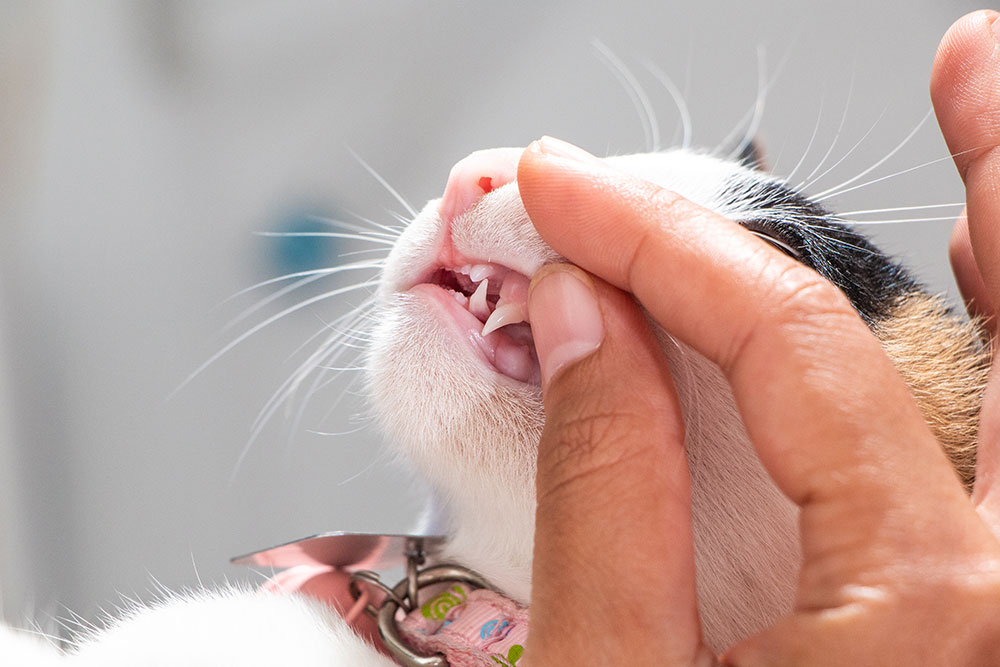
Owners should perform quick oral checks at least once a week. Look for gum swelling, dark discoloration, loose or fractured teeth, drooling, or avoidance of chew toys. Any of these can indicate early disease.
Dental-friendly diets and appropriate chew toys can also help- but be cautious. Chews that are too hard can cause fractures. If you wouldn’t want to hit your own knee with it, it’s too hard for your pet’s teeth. Early attention to minor wear or small chips prevents complications like abscess formation or infection spread to nearby teeth.
Home care and professional care work together. One without the other leaves the door open for disease progression, discomfort, and preventable loss.
The Hidden Cost of Neglect
The longer dental disease is left untreated, the more invasive and expensive treatment becomes. What begins as simple tartar removal can progress to multiple extractions, bone grafting, or even reconstructive jaw surgery. Severe cases may result in tooth loss so extensive that pets must adapt to a soft diet permanently.
Chronic pain also changes behavior. Pets may become withdrawn, irritable, or resistant to being touched around the face. Some stop grooming, while others paw at their mouths or drop food. Many owners only realize the extent of their pet’s suffering after dental treatment- when their pet suddenly seems more energetic, playful, and affectionate again.
Dental neglect doesn’t just rob pets of comfort- it can shorten their lifespan. Preventive dental care keeps infections localized, prevents sepsis, and maintains the integrity of the jaw and soft tissues needed for eating, grooming, and quality of life.
A Lifetime of Healthy Smiles Starts Now
Comprehensive dental care at Oliver Animal Hospital includes ultrasonic scaling, digital X-rays, extractions when needed, and pain management tailored for each patient. Our veterinarians emphasize prevention because every small problem caught early is one major problem avoided later.
Whether your pet needs a cleaning, has broken or missing teeth, or shows signs of discomfort, we can help. Schedule a dental evaluation or call (512) 892-1000 to protect your pet’s oral and overall health. With consistent veterinary care and at-home maintenance, your pet can keep a strong, healthy, pain-free smile for years to come.






Leave A Comment