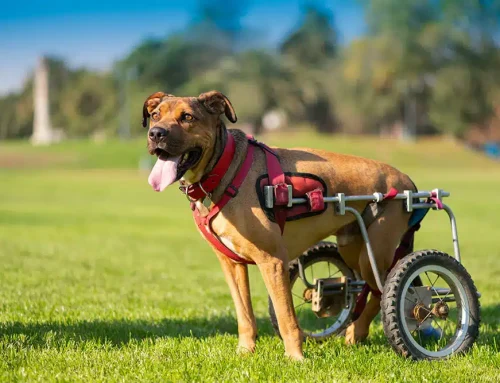

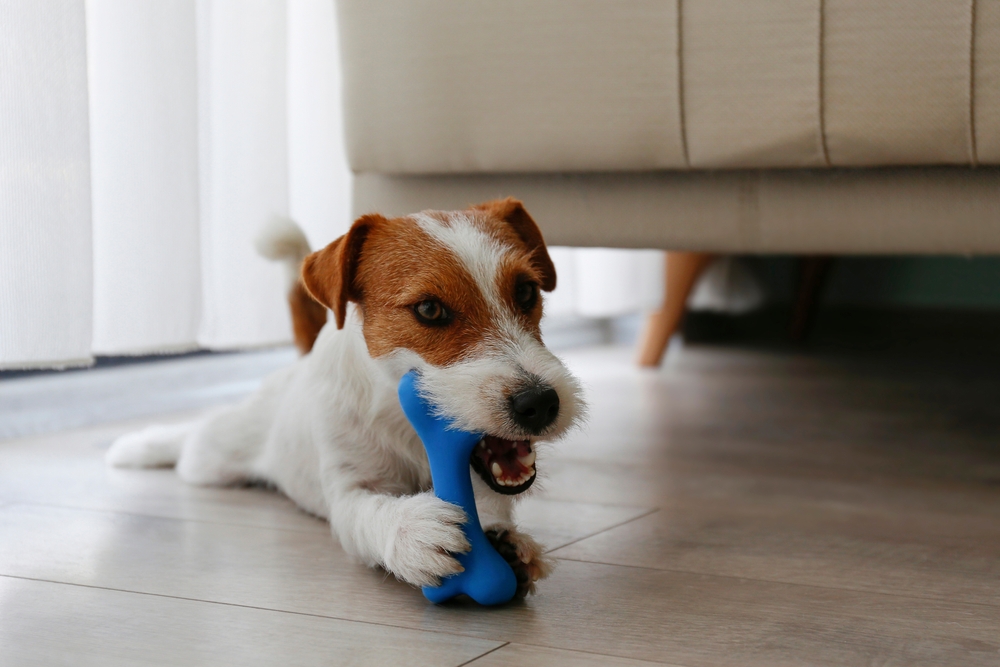
Not all pet gear is as safe as it looks, and plenty of the toys, chews, collars, and leashes on the shelf carry real injury risks the packaging never mentions: toys that splinter into swallowable pieces, chews hard enough to crack a tooth, and collars that work by squeezing the neck. The most urgent of these is a swallowed toy or chew piece, where the material of the missing piece decides your next move. Small bits of soft rubber often pass on their own, while rope strands, big hunks of rawhide, and the button batteries inside electronic toys deserve an immediate call no matter how normal your dog seems. The slower harms matter just as much: a fractured tooth from an antler, a bruised windpipe from a prong collar, or a burn from a retractable leash all start with a well-meant purchase.
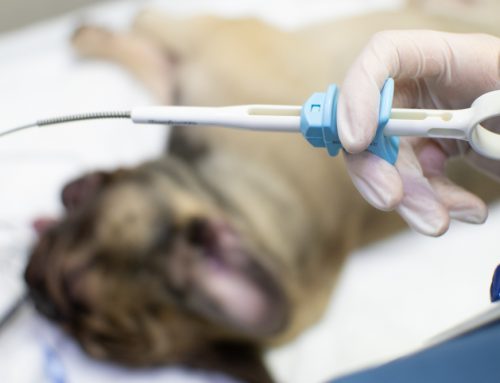
At Oliver Animal Hospital in Austin, we see both ends of this. We handle urgent care during regular business hours when a chewed-open toy or a half-missing rawhide turns into an emergency, and our X-rays can show where a swallowed piece is sitting, with endoscopy able to retrieve some objects from the stomach before surgery ever enters the conversation. Just as often, we catch the quieter gear problems like worn teeth, neck strain, and rubbed-raw skin at routine exams before they turn serious. If you find evidence of an injury, call us right away and come in. If you want to talk through the contents of your pet’s toy bin or the gear you’re using to prevent future problems, bring it along to your next wellness visit and our team will go over potential hazards.
Before Your Next Pet Store Run
- Many of the toys, chews, and collars sold at pet stores carry real injury risks the packaging never mentions, from fractured teeth to intestinal blockages.
- A hard chew that cracks a tooth usually leads to an extraction, so the thumbnail test (if your nail can’t dent it, it’s too hard) is worth doing before every purchase.
- Aversive gear like prong, choke, and shock collars carries physical and behavioral risks, while reward-based training is both gentler and more effective.
- Regular wellness exams catch gear-related sores, worn teeth, and neck strain before they turn into bigger problems.
What Makes a Dog Toy Dangerous?
A dog toy turns dangerous in one of two ways: it shatters into swallowable fragments, or it’s hard enough to crack a tooth. That first category is how many gastrointestinal foreign bodies begin, and a single swallowed piece can range from mild stomach upset to a life-threatening blockage that only surgery can clear.
The riskiest categories tend to be the ones dogs love most:
- Rope toys: chewed-off strands can bunch into a linear foreign body that saws through the intestine.
- Squeaker toys: once the squeaker is exposed, that small part becomes a choking hazard.
- Undersized balls and toys: anything smaller than your dog’s mouth can be swallowed whole, and a round ball can wedge in the airway.
- Hard plastic toys: rigid enough to fracture teeth in a power chewer.
- Stuffed toys: swallowed filling can pack together and obstruct the gut.
- Abrasive toys, including tennis balls: the rough, gritty surface wears enamel down to the dentin over time.
Most of these accidents are preventable with a few habits: swap out toys before they fray or crack, supervise anything new until you know how your dog attacks it, rotate the bin so nothing gets gnawed to bits out of boredom, and size up so nothing swallowable is ever within reach. If part of the toy has gone missing, call us for emergency veterinary care in Austin right away.
Hard Chews Break Teeth, Dense Chews Block the Gut
Hard chews break teeth and dense chews block the gut, and the dangers of popular dog chews come down to those two problems. Chewing itself is a normal behavior, and good for the teeth; the trouble is what you hand your dog to gnaw on.
The tooth that pays the price most often is the large upper chewing tooth, called the carnassial. When a chew cracks it down into the pulp, the tooth almost always has to come out. Even without an outright break, years of grinding on something rigid can wear the enamel thin, expose the pulp, and set up a painful tooth root abscess.
| Chew | Why it’s risky |
| Real bones, raw or cooked | A leading cause of fractured carnassial teeth. |
| Rawhide | Softens into a dense, hard-to-digest wad that can lodge in the esophagus or intestine. |
| Antlers and hooves | Notorious for slab fractures of the premolars, often noticed only when a dog starts favoring the other side. |
| Hard nylon bones | Can splinter into sharp points that scratch the gut. |
| Any chew worn to a nub | Small enough to swallow whole and choke on. |
Signs a chew has already caused a problem include:
- A discolored, broken, or crooked tooth.
- Heavy wear on the tooth tips with a dark spot at the end.
- Bleeding gums or a sudden refusal to eat.
- Heavy drooling or pawing at the face.
- Swelling on the muzzle or under the eye.
When a chew does crack a tooth, dental X-rays and an oral exam let us see the damage below the gumline, where most of a fractured tooth sits.
What Satisfies a Chewer Without the Risk?
Satisfying a chewer without the risk starts with one quick test: press a thumbnail into the chew, and if you can’t leave a dent, it’s too hard for your dog’s teeth. For real dental benefit, a chew carrying the Veterinary Oral Health Council seal has been tested and shown to reduce plaque or tartar rather than just claiming to.
Softer options like collagen sticks and other rawhide alternatives break down more predictably than real rawhide or bone. On the toy side, the goal is engagement without the crack-a-tooth hardness or the loose-piece hazard:
- Food-stuffed rubber toys: a firm rubber toy packed with food channels hard chewing into productive, long-lasting work.
- Puzzle feeders: these engage the brain instead of the jaw, a good fit for dogs who chew out of boredom.
- Snuffle mats: a fabric mat that hides kibble gives a sniffing dog enrichment with no chewing risk at all.
- Treat-dispensing toys: sized to your individual dog, these reward patience without small parts to swallow.
If you’re not sure which chews carry the seal or which toy suits your dog’s chewing style, our team can point you toward options that fit.
Which Collars and Leashes Work Through Pain or Pressure?
The collars and leashes that work through pain or pressure are the ones to skip: prong collars, choke chains, shock collars, and retractable leashes. The dangers of training collars go beyond the physical, because discomfort suppresses a behavior in the moment without teaching the dog anything in its place.
Prong collars and choke chains work by closing around the neck to shut down pulling. Welfare organizations worldwide warn against prong collars for the same physical reasons: a sudden lunge into a tightening chain can bruise the trachea, drive force onto the spine, puncture the skin, and press repeatedly on the thyroid gland. They’re especially dangerous for dogs who already have a collapsing windpipe or disc disease.
Shock collars promise convenience and deliver the opposite. Aversive training methods like shock collars, sold as e-collars or stimulation collars, tend to raise a dog’s stress and worsen the very behaviors they were meant to fix. The contact points can burn the skin, and the emotional fallout runs deeper: a dog often links the jolt to whatever they were looking at, so fear can harden into aggression and anxiety can spread to new triggers.
Retractable leashes cause a surprising number of injuries for something so common. The retractable leash risks start with the mechanism itself, which extends exactly when a dog pulls, rewards that pulling, and leaves the thin cord free to cut or burn both dog and handler. That long line also puts your dog far away when something goes wrong, and a hard lunge from a big dog can snap the cord outright.
Which Gear Keeps Weight Off Your Dog’s Windpipe?
The gear that keeps weight off your dog’s windpipe pulls from somewhere other than the neck and matches your dog’s build, paired with a fixed-length leash. Well-chosen head halters and harnesses redirect a puller from the chest or steer the head gently instead of clamping down on the neck.
| Gear | Best for | How it helps |
| Front-clip harness | Dogs that pull | Redirects forward motion from the chest, so pulling turns the dog back toward you. |
| Head halter | Strong pullers | Gentle head control, with a patient introduction so your dog accepts it. |
| Back-clip harness | Easy walkers | Comfortable, with no pressure on the throat. |
| Martingale collar | Narrow-headed dogs | Prevents backing out without choking when fitted properly. |
| Flat collar | ID tags and everyday wear | Great for tags, but not the pull point for a determined puller. |
For the leash itself, a standard four-to-six-foot leash gives the best balance of freedom and control on everyday walks. For recall practice in open spaces, long line training with a fixed fifteen-to-thirty-foot lead is the safer alternative. Because the best choice depends on your dog’s body shape and behavior, it’s worth asking our team at a wellness visit before you invest in something that doesn’t fit.
How Do You Fix Pulling Without Hurting Your Dog?
Positive reinforcement training fixes pulling without hurting your dog, because it works by rewarding the behavior you want instead of punishing the behavior you don’t, which builds trust, lowers stress, and creates lasting habits without any tool that can hurt the throat, neck, or spine.
Leash pulling shows the difference plainly. A prong collar suppresses the pulling through discomfort while ignoring the stress that drove it; teaching your dog that a loose leash earns a small treat keeps the walk calm without any ongoing correction.
The gap matters even more with leash reactivity, the barking-and-lunging some dogs do at other dogs or people. Techniques like the engage-disengage game, where a dog learns to notice a trigger calmly and then look back at you, slowly reshape that reaction from fear toward something closer to neutral. Piling pain onto a frightened dog usually backfires. For a dog who’s already reactive, our veterinary team can help build a plan that fits their specific triggers and temperament.
Which Signs Mean a Harness Is Rubbing or Pinching?
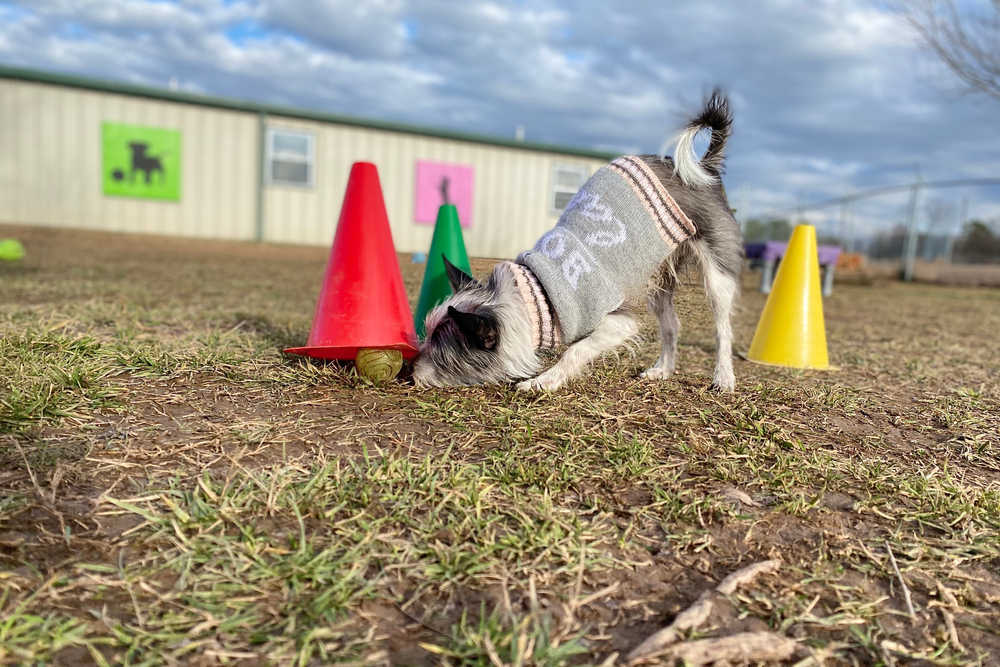
The signs that a harness is rubbing or pinching show up in canine body language first, because a dog telegraphs discomfort through posture, facial expression, and movement long before a sore appears.
As the collar or harness goes on, watch for the small stress signals dogs use:
- Lip licking or a sudden yawn when nothing is tiring.
- Whale eye, where the whites of the eyes show.
- A stiff, frozen posture, or an effort to avoid or hide.
- A tucked or unnaturally low tail.
- Ears pinned flat back.
Over the following days and weeks, the clues get more physical. A dog who keeps pawing at a collar, harness, or chew is telling you something, and so is coughing or hacking on walks, redness or thinning hair where the gear sits, limping after a walk, or a flinch when you touch the spot where equipment rests. Any of those is a cue to reassess the fit.
What Do Austin Dog Owners Ask Us About Gear?
My Dog Swallowed a Small Toy Piece but Seems Fine. Should I Still Call?
A dog who seems fine can still be heading toward a blockage, because obstruction signs often take one to three days to build. Call us the same day if the piece was rope, a chunk of rawhide, hard plastic, or anything with a battery, and watch closely for vomiting, a tense belly, or a dropped appetite even when the object looked harmless.
Are “Indestructible” or “Tough” Chews Safe for Heavy Chewers?
A chew marketed as indestructible is often exactly the kind that cracks teeth, because the same hardness that resists a determined chewer also outmatches enamel. For a power chewer, a firm food-stuffed rubber toy or a chew that carries the dental-council seal is a far safer way to satisfy the urge to gnaw.
Can I Use a Prong Collar Just for Walks If My Dog Pulls Hard?
Even used only on walks, a prong collar controls pulling through discomfort rather than teaching your dog to walk calmly, and the risks to the windpipe, neck, and skin don’t switch off just because the outing is short. A front-clip harness or head halter gives you the same control with none of that pressure. If your dog pulls hard enough that a prong feels necessary, that’s a great thing to troubleshoot with us.
A Gear Check Belongs in Your Dog’s Next Exam
A gear check belongs in your dog’s next exam, and until that visit, the kindest thing you can do with a shopping cart is slow down. The right toys, chews, and collars protect your dog’s teeth, throat, and gut, and they head off the painful, expensive scares that so often start with a well-meant purchase.
If you want a second opinion on the gear in your closet, or you’ve noticed a sign of a gear-related injury, book a visit with us at Oliver Animal Hospital and we’ll fold a gear check into your dog’s next exam. You’re not sorting this out alone.