
What actually resolves feline stomatitis for most cats is removing the teeth their immune system is reacting around, not cleaning them. In feline chronic gingivostomatitis, the immune system overreacts to normal bacteria in the mouth, and the painful inflammation spreads across the gums, the inner cheeks, and the back of the throat, not just around individual teeth the way periodontal disease does. Roughly two thirds to three quarters of cats improve substantially or go into remission after those teeth come out, while medication on its own controls the pain without ending the disease. New treatments, like stem cell therapy, are available through specialists when tooth removal isn't enough.
Oliver Animal Hospital in Austin sees many cats whose mouth pain went unnoticed at home for months, because cats are professionals at hiding discomfort. Inflammation this painful cannot be assessed properly while your cat is awake, so our dental care includes a complete oral exam under anesthesia, with digital X-rays of the tooth roots and bone below the gum line. We walk you through the extraction plan, and arrange a specialist referral when the case calls for one. If your cat is drooling, pawing at the mouth, or eating less than usual, request an appointment and we will take a careful look.
Stomatitis Basics for a Cat Who Won't Eat
- Stomatitis is an immune overreaction to plaque and bacteria, so the soreness covers the whole mouth instead of one bad tooth.
- Cats hide oral pain well, and dropping food, backing away from the bowl, or a suddenly unkempt coat are usually the first clues a family notices.
- Removing the teeth the immune system reacts around resolves or substantially improves the disease in most cats, while medication controls symptoms without ending them.
- Cats treated earlier tend to do better, and a cat with no teeth eats comfortably once the pain is gone.
What's Going On in a Cat's Mouth With Stomatitis?
Feline chronic gingivostomatitis is an immune reaction to ordinary plaque and bacteria that inflames the whole lining of the mouth, including the inner cheeks, the back of the throat, and the tissue anchoring each tooth. Why one cat reacts this way and another doesn't is still not well understood.
The amount of plaque present often looks unremarkable. A mouth can be reasonably clean and still be on fire, because the problem is the response, not the volume of bacteria. The juvenile-onset form shows up before a cat's second birthday, which blindsides families when the kitten who was fine last month suddenly won't touch dry food.
Viruses complicate the picture. Many affected cats carry feline calicivirus, herpesvirus turns up often enough to matter, and neither one explains every case. No two of these mouths look alike, so the plan gets built around the individual cat, starting with our in-house lab work.
What Does Feline Stomatitis Look Like at Home?
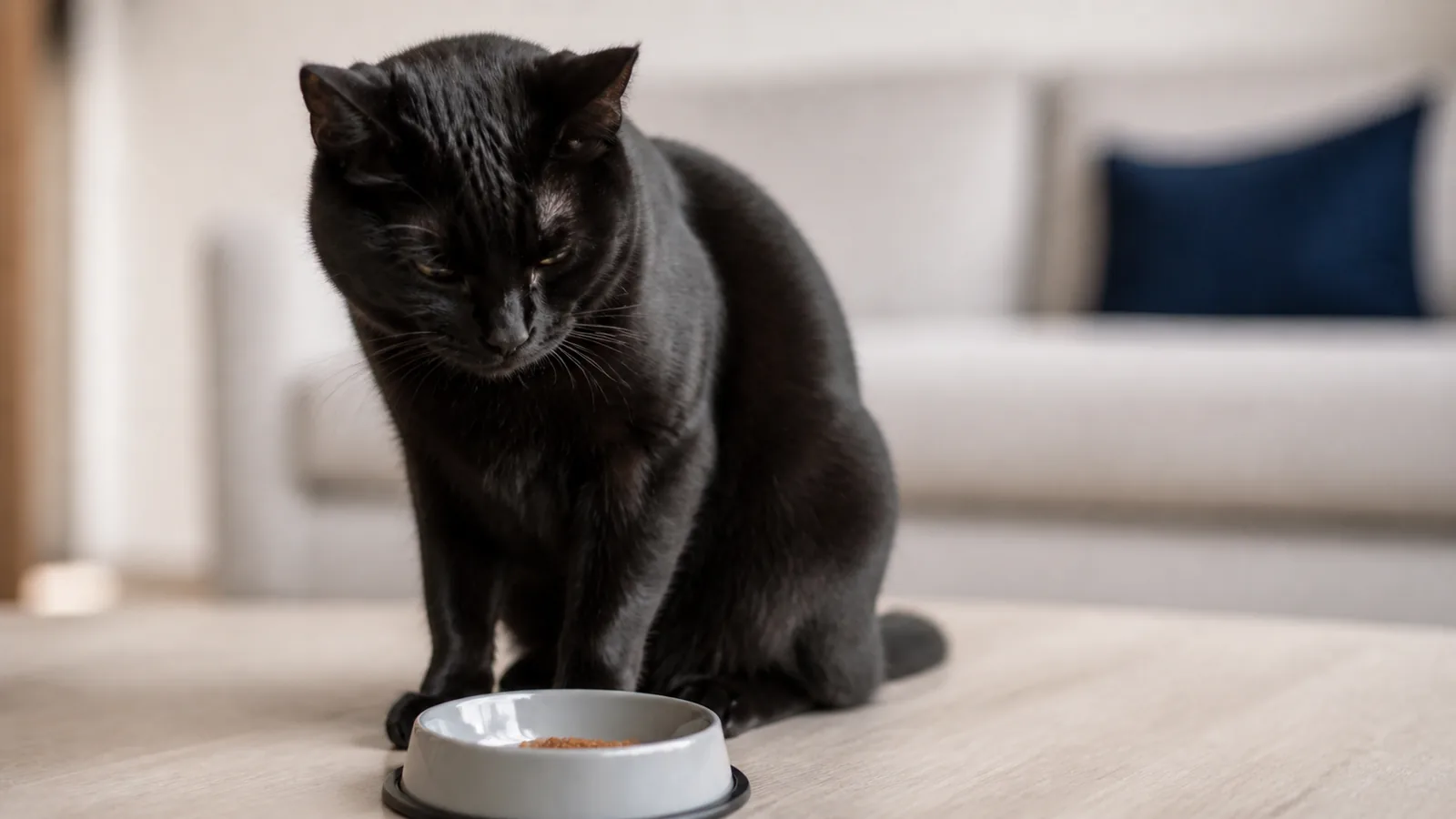
Most cats never make a sound about it. What families notice instead is a cat who trots over for dinner, sniffs, and walks away, or one who's stopped grooming and started spending afternoons under the bed. These changes arrive slowly, which is why they get filed under "getting older" so often.
Cats are not built to drool, so excessive drooling, especially when it is thick, blood-tinged, or leaving damp spots on bedding, is one of the earliest signs that something in the mouth hurts.
The rest of the picture usually shows up as small shifts in habit:
- Eating differently: dropping kibble, chewing on one side, or gulping food whole.
- Approach and retreat: coming to the bowl hungry, then backing off before the first bite.
- Grooming less: a coat that turns greasy or matted along the back and hips.
- Face pawing: swatting at the muzzle or shaking their head after meals.
- Mood shifts: more hiding, less lap time, and grumpiness about being touched near the head.
- Weight loss: a bonier spine than you remember under your hand.
Changes in the gum line turn up on exam well before any of this reaches the food bowl, which is the quiet value of routine wellness exams for cats who seem perfectly fine.
What We Look For During an Oral Exam
An oral exam for suspected stomatitis often finds tissue that's bright red, ulcerated, and sometimes bleeding where the cheek meets the back teeth. Pain at that level puts a hard ceiling on what an awake cat will tolerate, so our sedated oral exams are how we see past the canines and into the arch behind the molars. We'd rather sedate briefly and look properly than guess from a two-second glimpse in a squirming patient.
How Is Stomatitis Different From Ordinary Dental Disease?
Periodontal disease moves through five recognizable stages and destroys the structures holding a tooth in place, while stomatitis inflames the entire lining of the mouth and keeps flaring after a standard cleaning. Plenty of cats have both at once, which is exactly why a cleaning alone can leave a family feeling like nothing changed.
| Feature | Periodontal disease | Stomatitis |
| Where it sits | Gum and bone around individual teeth | Gums, cheeks, throat, and the arch behind the molars |
| What drives it | Plaque and tartar accumulating on tooth surfaces | An immune reaction wildly out of proportion to the plaque present |
| After a cleaning | Improves and holds | Improves briefly, then returns |
| Comfort level | Mild to significant, depending on stage | Usually severe |
| What resolves it | Cleaning plus removal of diseased teeth | Removing the teeth the reaction forms around |
Most of a cat's tooth sits below the gum line, so full-mouth dental radiographs are the only way to see root fragments, bone loss, and hidden resorptive lesions that keep the inflammation fed. When a lesion is asymmetric, raised, or limited to one side of the mouth, oral cavity tumors belong on the list of possibilities, and a tissue biopsy answers that question before any treatment plan moves ahead. A complete set of images comes standard with our dental procedures, since planning surgery without them means working blind.
How Do We Diagnose Feline Stomatitis?
Reaching a diagnosis takes a sedated oral exam, a complete set of dental X-rays, bloodwork, and viral testing, gathered in one visit while your cat rests comfortably.
- The sedated exam: every tooth gets probed and charted, and the tissue behind the last molars, a spot no awake cat lets anyone near, finally gets a proper look.
- Full-mouth X-rays: these reveal retained roots, resorptive lesions, and bone loss, any of which can change the surgical plan before it's made.
- Viral testing: Feline calicivirus turns up in a large share of cats with stomatitis, and a positive result means the immune system has an ongoing trigger that surgery alone may not fully settle. Feline herpesvirus stays in the body for life and reactivates under stress, which shapes both the recovery plan and how quiet we ask the household to stay afterward. FeLV and FIV status matters too, since both change how well a cat regulates inflammation and how carefully we handle long-term medication.
- Bloodwork: organ values and a red cell count before anesthesia, plus a baseline to measure against if your cat ends up medicated for a stretch.
A cat who has stopped eating shouldn't wait for the next open slot on the schedule, so call ahead and we'll look for a same-day appointment.
How Is Feline Stomatitis Treated?
Treatment runs along two tracks: medication that makes a cat comfortable, and surgery that removes what the immune system keeps reacting to. Most cats need both, in an order that depends on how severe the mouth is when we first see it, and a small group needs advanced immune therapy after that.
Medication Helps, But It Doesn't End the Disease
Medical management buys real comfort and real time, and for most cats that's where its usefulness stops. The usual combination includes an anti-inflammatory such as prednisolone, pain relief like buprenorphine or gabapentin, antibiotics when secondary infection is part of the picture, and antiviral drugs or supplements when a virus is clearly involved. Soft or blended food helps while tissue is raw, and a temporary feeding tube sounds drastic but is usually the opposite, delivering food, water, and medication without anything touching a painful mouth.
The catch is that none of it addresses the trigger. Steroids tend to lose ground over months, doses creep upward, and long stretches of that therapy are associated with a less impressive surgical result later and higher risk of diseases like diabetes. That tradeoff deserves a real conversation before medication becomes the long-term plan by default.
One thing matters enormously here: never give a cat human pain medication. Ibuprofen and acetaminophen are toxic to cats in very small amounts, and acetaminophen can be fatal.
Full-Mouth Extraction Is What Changes the Disease
Full-mouth tooth extraction removes the plaque-holding surfaces driving the immune reaction, and 60 to 80 percent of cats improve substantially or resolve completely once those surfaces are gone. Nothing else has that track record, and cats treated earlier tend to land in the better half of that range.
Some cats keep their canines and incisors when those teeth and the bone around them look healthy on film. Many don't, and the X-rays decide that rather than sentiment about leaving a few behind. Completeness matters most: a single retained root fragment can keep the whole reaction going, so post-operative radiographs confirming clean sites are part of doing this properly.
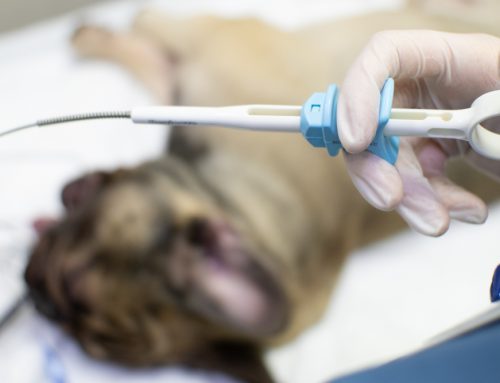
Radiographs, probing every root, and removing diseased teeth completely all depend on general anesthesia for dental work, because none of it can be done thoroughly or humanely on a cat who is awake. Local nerve blocks, dedicated anesthetic monitoring, and a warm, quiet recovery turn a long procedure into a comfortable one.
When a case calls for a board-certified veterinary dentist, we refer your cat, coordinate the appointment, and stay involved with the medication and follow-up on either side of it. Ask your questions before the day arrives, because our team would much rather answer them early than leave you wondering at home.
What If the Soreness Doesn't Stop After Surgery?
A minority of cats stay painful even after a complete extraction, most often those carrying calicivirus or those medicated for years beforehand. That group has real options now, and the good ones work by retraining the immune response rather than by removing more tissue.
- Stem cell therapy: adipose-derived mesenchymal stem cell therapy uses cells taken from the cat's own fat, grown in a lab and given intravenously in a series, to calm an immune system stuck in overdrive.
- Cryotherapy: applied to the inflamed tissue, it helps some cats, with results ranging from several months of relief to lasting resolution.
- Antiviral and immunomodulatory drugs: interferon and similar drugs are another route when a virus is clearly driving the inflammation.
These are specialty and university-level treatments rather than general practice offerings, so we'll tell you plainly when your cat is a candidate and set up the referral.
How Will My Cat Eat Without Teeth?
Cats do far better without teeth than nearly anyone expects. The gums toughen within weeks, and most go back to eating dry food, stalking bugs, and grooming normally. Quite a few eat with more appetite than they've shown in years, simply because mealtime stopped being the worst part of the day.
The weeks after a full-mouth extraction follow a fairly predictable shape:
- The first week: pain medication is not optional after a large extraction, and soft or watered-down food in a shallow dish makes those days easier.
- Antibiotics: used when infection is part of the case, not handed out automatically.
- Recheck of the surgical sites: we look at how the gum tissue has closed and how your cat is using their mouth.
- Adjusting the medications: steroids and pain relief taper as tissue heals, on a schedule matched to the individual.
- Ongoing immune support: cats carrying calicivirus sometimes need continued immunomodulatory therapy even after a successful surgery.
A cat who stops eating for even a day or two can develop hepatic lipidosis, a serious liver condition, so a feline hunger strike is never something to wait out. If your cat won't eat a full day after coming home, or the mouth starts bleeding again, reach us for urgent care during our open hours, and head to an Austin emergency hospital outside them.
What's the Long-Term Prognosis After Treatment?
Early treatment produces the best results, consistently. A cat treated within months of the first flare tends to do dramatically better than one managed medically for years first, and even those who still need medication afterward usually get most of their comfort back.
| What influences the outcome | Why it matters |
| How long the mouth was inflamed | Years of unchecked inflammation make the immune pattern harder to interrupt |
| Completeness of the extraction | Retained root fragments keep feeding the reaction |
| Viral carrier status | Calicivirus in particular can keep the immune system triggered after surgery |
| Individual immune response | Some cats settle faster than others for reasons no test predicts |
| Prior long-term steroid use | Extended courses before surgery are linked to less impressive results |
A cat who's been miserable for two years can still improve a great deal, and many do.
What Keeps a Cat's Mouth Healthy in the First Place?
Home plaque control paired with professional cleanings and full-mouth imaging is the combination that keeps most cats out of trouble. Brushing is the gold standard, though the best routine is whichever one a household will keep up. Dental health does not stay in the mouth, since bacteria from inflamed gums enter the bloodstream and add strain to the heart, liver, and kidneys.
- Brushing: a soft brush or finger brush with enzymatic pet toothpaste, never the human kind, which isn't made to be swallowed.
- Lower-stress alternatives: water additives, dental powders sprinkled over meals, and wipes all work for cats who treat a toothbrush as a personal insult.
- Dental treats and diets: larger kibble designed to scrub rather than shatter helps cats who refuse anything hands-on.
- Accepted products: the Veterinary Oral Health Council seal marks the products with real data behind them, which saves a lot of guessing in the pet aisle.
For most cats, annual teeth cleanings with a complete set of images catch small problems while they're still small. None of this belongs in a mouth that already hurts, though. Scrubbing ulcerated tissue makes a bad situation worse, so if the gums look red and raw, put the brush down and let us take a look first.
What Cat Families Ask Us About Stomatitis
Is stomatitis contagious to my other cats?
The condition itself isn't contagious, but some of the viruses associated with it are. Calicivirus spreads through saliva, shared bowls, and mutual grooming, and plenty of cats carry it for life without ever developing an inflamed mouth. Housemates don't need to be separated from a cat with stomatitis. Keeping vaccines current, washing bowls regularly, and having any cat who starts drooling or eating oddly checked promptly covers the practical bases.
We've managed with steroids for years. Is it too late for surgery now?
It's not too late, and cats in exactly that situation improve every day. What changes is the likelihood of a complete cure versus a substantial improvement, since a long-running inflammatory pattern is harder to switch off than a recent one. Many long-managed cats still end up needing far less medication after extraction, at much lower doses. The decision is worth revisiting rather than assuming the window closed.
Is my senior cat too old for anesthesia?
Age isn't a disease, and a number on a chart isn't what determines anesthetic risk. Organ function, heart health, and body condition are, which is why bloodwork comes first, and an ultrasound of the heart with a visiting specialist follows when the exam raises a question. Older cats with painful mouths are often the ones with the most to gain, because chronic discomfort and poor eating do their own quiet damage to the kidneys, muscle mass, and overall resilience.
Getting Your Cat Comfortable Again
Watching a cat you love approach the food bowl and then turn away from it is hard, and the guilt that comes with not having caught it sooner is often harder. Stomatitis is one of the most painful conditions cats face, and it's also one where treatment can change an animal's entire quality of life within weeks. Oliver Animal Hospital in Austin will look carefully, tell you plainly what the mouth and the X-rays show, and help you weigh the options with your cat's history in mind. If something about your cat's eating or drooling has been nagging at you, book a visit and let's take a look together.