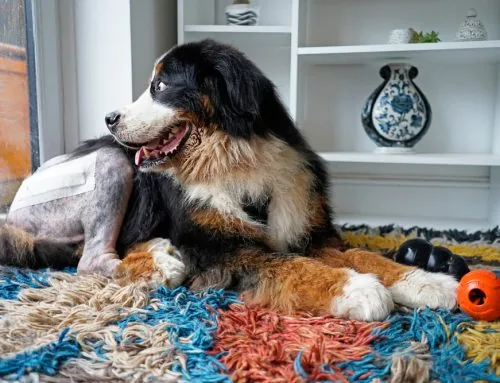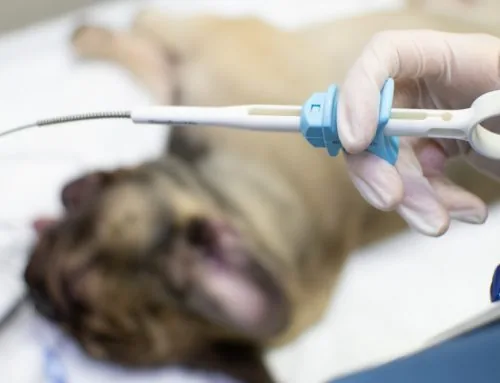

Skipping deworming can turn into an emergency: missed doses give hookworms and roundworms time to build up, and in a puppy or kitten they take blood and fluid faster than a very small body can replace it. Pale or white gums, weakness, collapse, bloody diarrhea, constant vomiting, and a refusal to nurse or eat all mean a vet visit today rather than the end of the week. In puppies, hookworms are usually the cause, because they feed on blood and there is almost none to spare at that age; in kittens, a heavy roundworm burden is the more common reason a litter gets this sick. Most never reach that point, because deworming on schedule clears these parasites before they have the chance.
A fecal test tells us which worm is involved and how heavy the burden is, and we start with bloodwork when the gums look pale, because anemia changes what gets treated first. Oliver Animal Hospital in Austin has urgent care during our regular hours, so a puppy or kitten who cannot wait until next week can be seen today when you call ahead. Deworming and fecal checks are part of puppy and kitten care here from the first visit, and if a round got missed, we can pick the schedule back up and get ahead of the parasites again. If yours is pale, weak, or refusing to eat, call us so we can get them in today.
Why Deworming Repeats and Testing Matters
- Many puppies and kittens arrive already infected, picking up parasites from their mother before birth or through her milk.
- One dose of dewormer clears the adult worms present that day, which is why rounds repeat every few weeks through the first months of life.
- A young animal carrying a real parasite load can look healthy at first, so stool testing and scheduled treatment catch more than watching for symptoms does.
- Monthly prevention takes over where the early rounds leave off, covering heartworm along with the common intestinal worms all year.
When Do Worms Become an Emergency for a Puppy or Kitten?
Worms become an emergency when the parasite load outpaces what a small body can handle: hookworms draining blood faster than it can be replaced, roundworms packed tightly enough to block the intestine, or vomiting and diarrhea severe enough to dehydrate a two-pound patient within a day. Pale gums, weakness, collapse, or refusal to eat need same-day care.
What Signs Mean My Puppy or Kitten Needs to Be Seen Today?
- Pale, white, or gray gums: Healthy gums are bubblegum pink. Pale gums in a young patient usually mean anemia, a shortage of red blood cells, and hookworms are the most common cause.
- Weakness, cold ears or paws, or collapse: A puppy or kitten who won't get up to play or feels cool to the touch is running out of reserves.
- Black, tarry, or bloody diarrhea: Digested blood from hookworms turns stool dark and sticky, while fresh red blood points lower in the gut.
- Repeated vomiting, especially with worms in it: A tangle of roundworms in vomit, along with a swollen or painful belly, can mean the intestine is partly blocked.
- Skipping meals or refusing to nurse: Very young animals have almost no energy stored, so missing more than one meal can drop their blood sugar quickly.
Why Do Very Young Patients Get So Sick So Fast?
A puppy or kitten has a tiny blood volume, very little body fat, and almost no stored sugar to fall back on. One hookworm takes only a small amount of blood, but a few hundred of them can drain more than a two-pound body can replace. Puppies infected through their mother's milk can become severely anemic in the first few weeks of life, sometimes before the worms are old enough to lay eggs, so a very sick youngster can have a negative stool test. That's why we check gum color and run bloodwork rather than waiting on the fecal result.
A heavy roundworm burden brings a different risk. The worms can crowd the intestine, and in rare cases a large number dying at once after the first dose can cause a blockage. When a puppy or kitten arrives with a round belly and a thin frame, we may recommend watching them closely after that first round.
What Does Emergency Treatment Involve?
Treatment starts with stabilizing your puppy or kitten before the parasites themselves:
- Warm them up and raise blood sugar, since cold, weak youngsters can't recover until both are corrected.
- Replace fluids with IV or under-the-skin fluids to reverse dehydration from vomiting and diarrhea.
- Transfuse blood when anemia is severe enough that the body can't keep up on its own.
- Deworm once they're stable, then follow with iron support, nutrition, and repeat bloodwork to confirm red blood cell levels are climbing.
Most patients caught early recover well with this care, and many go home within a day or two. Pale gums and no energy mean urgent care the same day, and if your puppy or kitten crashes after we've closed for the night or the weekend, they need a veterinary emergency hospital that night rather than a wait until Monday.
Why Doesn't My Puppy or Kitten Look Sick?
A puppy or kitten can carry a real parasite load and still eat, play, and look terrific, because the earliest changes are small and easy to blame on something else. By the time the belly looks round on a thin frame or the coat turns dull, the burden has been building for weeks.
Soft stool that comes and goes usually gets blamed on a diet change, a new treat, or the move to a new home. The rest of the early picture is just as vague: slower weight gain than the littermates, an occasional bout of vomiting, or a kitten who cleans the bowl and still doesn't fill out.
A stool sample settles the question faster than waiting for an obvious sign, and our in-house laboratory can check it during the visit.
Do We Still Need a Stool Sample If We're Already Deworming?
Deworming without testing leaves gaps, because each dewormer treats a set list of parasites and each test has blind spots of its own. The sample tells us what's actually there, how heavy the load is, and whether the last round worked, which matters most for the single-celled parasites that standard dewormers don't touch.
Stool testing ranges from a standard flotation, which looks for eggs under the microscope, to antigen and PCR panels that pick up what flotation misses. A second sample a few days later often finds what the first one did not, and we'll ask for one when:
- diarrhea keeps going after treatment
- a new puppy or kitten comes from a shelter, pet store, or other crowded environment
- one pet in a litter is sick and the rest look fine
When loose stool continues after a clean sample, we look past parasites, because a food change, a virus, or a stressed gut produces the same soft stool.
Which Worms Show Up First in a Litter?
Roundworms and hookworms top the list for both puppies and kittens, with whipworms, tapeworms, coccidia, and Giardia filling out the rest. How each one gets in changes which test finds it and which medication clears it.
Which Ones Come From the Mother or the Soil?
Roundworms and hookworms are usually the first to arrive, because a mother can pass them to her litter in the womb or while nursing. Hookworms are the more dangerous of the two in a very young patient: they feed on blood, and a two-pound puppy or kitten has little to spare before anemia sets in. Roundworm eggs also survive in soil for years, so a familiar yard keeps handing them back.
Whipworms are mostly a dog problem. They build up in the soil where dogs spend time, and because the eggs are shed unevenly, one clean stool test doesn't rule them out. Tapeworms need a flea to complete their life cycle: a puppy or kitten swallows an infected flea while grooming, and the rice-like segments near the tail keep reappearing until the fleas are treated along with the worm.
Hookworm anemia is the one that can't wait. Pale gums and no energy in a puppy or kitten mean urgent care the same day, and if one crashes after we've closed for the night or the weekend, they need a veterinary emergency hospital that night rather than a wait until Monday.
Which Ones Aren't Worms at All?
Giardia and coccidia are single-celled organisms, so a routine dewormer does nothing to them, and each needs its own stool test and its own prescription. Coccidia turns up most often after a crowded or stressful start in life. Giardia is the one that keeps coming back, because puppies and kittens can reinfect themselves from their own coat or stool partway through treatment, so clearing it takes a few extra steps at home:
- Bathe your puppy or kitten, hind end especially, toward the end of the medication course so cysts aren't sitting in the fur.
- Pick up stool right away rather than at the end of the day, and keep them out of puddles and standing water.
- Wipe hard floors, crate trays, and litter pans with a disinfectant and let them dry fully.
- Wash bedding and soft toys in hot water and dry them on high heat.
Why Does My Puppy or Kitten Need More Than One Round of Dewormer?
One round only reaches the adult worms in the intestine that day, and intestinal parasites spend much of their life cycle somewhere the medication can't touch them. Three things keep the problem going after a single treatment:
- Migrating larvae: Immature stages travel through the body before settling in the gut, and a dewormer given today misses them. Each later round catches the group that has grown into adults since the last one.
- Dormant larvae in the mother: A female dog or cat can carry larvae walled off in her tissue for a long time, and pregnancy and nursing can reactivate them. That's how one healthy-looking mother passes the same parasites to litter after litter.
- Reinfection: Puppies and kittens taste everything, and the eggs are in the dirt, the grass, and the litter box.
What Does the Deworming Schedule Look Like Week by Week?
The standard deworming schedule begins at about two weeks of age and repeats every two weeks through roughly eight to sixteen weeks, then hands off to a monthly preventive that can start as early as eight weeks and continues all year. Two weeks is roughly how long a newly swallowed larva takes to mature into an egg-laying adult, so each round catches the next group before they start shedding eggs.
We adjust the timing for the individual patient, especially a puppy or kitten who arrived with a heavy burden or no history at all.
| Age | What usually happens | Why then |
| 2 to 8 weeks | Deworming every two weeks, often while the litter is still with the mother | Parasites that crossed the placenta or came through the milk are already maturing |
| 8 to 12 weeks | Deworming continues, first stool test, monthly prevention can begin | New waves of larvae are reaching adulthood between rounds |
| 12 to 16 weeks | Final early rounds, prevention established | The last of the inherited burden clears as the immune system matures |
| Beyond 16 weeks | Monthly prevention year-round, stool testing at wellness visits | Reinfection risk continues for life, even for indoor pets |
Those visits already come every few weeks for puppy and kitten vaccinations, so the weight check and the next round ride along with a visit already on the calendar.
When Can We Ease Off Parasite Prevention?
There's no month of the year when it's safe to stop. Year-round parasite prevention replaced the old summer-only habit because the parasites never fully stop, and a two- or three-month gap is plenty of time for an infection to take hold before anyone notices. A quieter indoor life lowers the risk without erasing it.
Does Winter Lower the Risk in Austin?
Regional parasite prevalence shifts county by county and season by season, and Austin sits in a stretch of Central Texas where mild winters keep hookworm and heartworm risk live through all twelve months. Heartworm prevention costs very little month to month, while treating an established infection takes months of injections, strict activity restriction, and real risk to the patient. For cats there's no approved treatment for adult heartworms at all, which makes prevention the only option.
Does Where My Pet Spends the Day Change the Risk?
The highest-risk puppies and kittens are the ones with the most contact with soil, stool, and other animals: a dog at daycare, boarding, or the dog park, a kitten who hunts, a litter from a crowded start, or any pet in a multi-animal household. An indoor cat can still pick up tapeworms from a flea that rode in on the dog. One monthly combination product can cover heartworm along with roundworms and hookworms, and in many cases fleas and ticks too, so the whole plan comes down to a single dose on a single day, and our team will help match the product to your puppy or kitten's weight and the way they spend their time.
Routine wellness exams are where we build that individual picture. We ask where your pet sleeps, who they play with, and whether anyone in the house hunts, then set the testing interval around the answers rather than a default.
Is There Any Risk to the People in the House?
Some of these parasites are zoonotic, meaning they can move from pets to the people in the house. Roundworm eggs and hookworm larvae survive in contaminated soil long enough to infect people, and zoonotic parasites hit hardest in the two groups least equipped to fight them off: young children who play in the dirt and anyone with a weakened immune system.
| Parasite | How people pick it up | What cuts the risk |
| Tapeworms | Accidentally swallowing an infected flea, most often a toddler | Year-round flea prevention on every pet in the house |
| Hookworms | Larvae in warm, damp soil that burrow through skin they touch | Shoes on outside, and no sitting or kneeling bare-skinned where pets relieve themselves |
| Giardia | Cysts on a pet's coat, in a shared water bowl, or in standing water | Bathing during treatment, handwashing after handling, and staying out of puddles |
| Roundworms | Eggs swallowed from soil, a sandbox, or unwashed hands | Daily stool pickup, a cover on the sandbox, handwashing after yard play |
Handwashing before snacks and after yard time handles most of that risk, and prevention that stays current handles the rest, so the kids don't need to stay away from the new puppy or kitten.
What Should I Expect at My Puppy or Kitten's Deworming Appointment?
A deworming appointment starts with a nose-to-tail exam and a weight, because the dose is calculated on body weight and a growing puppy or kitten changes fast. We look at gum color, feel the belly, run a stool sample when it's indicated, and give the medication by mouth.
The smallest patients usually get a liquid, bigger puppies and kittens take a flavored tablet or chewable, and some rounds go home with you to give on a specific date. Mild effects over the next day or two are common: softer stool, a little vomiting, a quieter afternoon, or dead worms in the stool. What isn't expected is vomiting that keeps going, water that won't stay down, pale gums, diarrhea past a day or two, or a puppy or kitten who gets harder to rouse. If any of that turns up, give us a call instead of waiting for the next scheduled round.
What Families Ask Us About Stool Tests and Repeat Doses
Is a dewormer from the pet store good enough?
Store-shelf dewormers usually cover fewer parasites than the label seems to promise, and the dose depends on an accurate weight that's easy to get wrong on a patient who gained half a pound this week. Some dog formulations aren't safe for cats at any dose. If a dose went wrong, Pet Poison Helpline or ASPCA Animal Poison Control can tell you whether the amount matters, and we can start the next step from there.
Should I expect to see worms in the stool afterward?
Passing worms after a dose is common, and it looks far worse than it is. Dead roundworms can show up in stool or vomit for a day or two, sometimes still moving, which simply means the medication reached them. Not seeing them doesn’t mean it didn’t work, though; most are too small to see with your eye. Tapeworm segments may keep appearing for a while if fleas are still in the picture. Blood, stool that stays liquid past a day, or a pet who grows noticeably weaker is a different problem and needs a call.
If the stool test came back clean, do we skip the next round?
A clean sample is encouraging, but it isn't proof there's nothing there. Eggs come out in waves, and immature worms that aren't laying yet give a flotation nothing to find, so a young animal can test clear while carrying a real load. That's why puppies and kittens are dewormed on schedule regardless of the result, with a repeat sample later to confirm the plan is holding.
Setting Up Parasite Prevention at Oliver Animal Hospital
Prevention holds when all three pieces stay on schedule: the early rounds every two weeks, the monthly preventive that takes over afterward, and the stool testing that confirms it's working. Miss one and the other two can't fully make up for it.
Oliver Animal Hospital in Austin sets that schedule with you at wellness visits and reworks it when a round gets missed or a new pet joins the household. Schedule your puppy or kitten's next visit whenever you're ready, or sooner if their stool or their energy has you worried.