
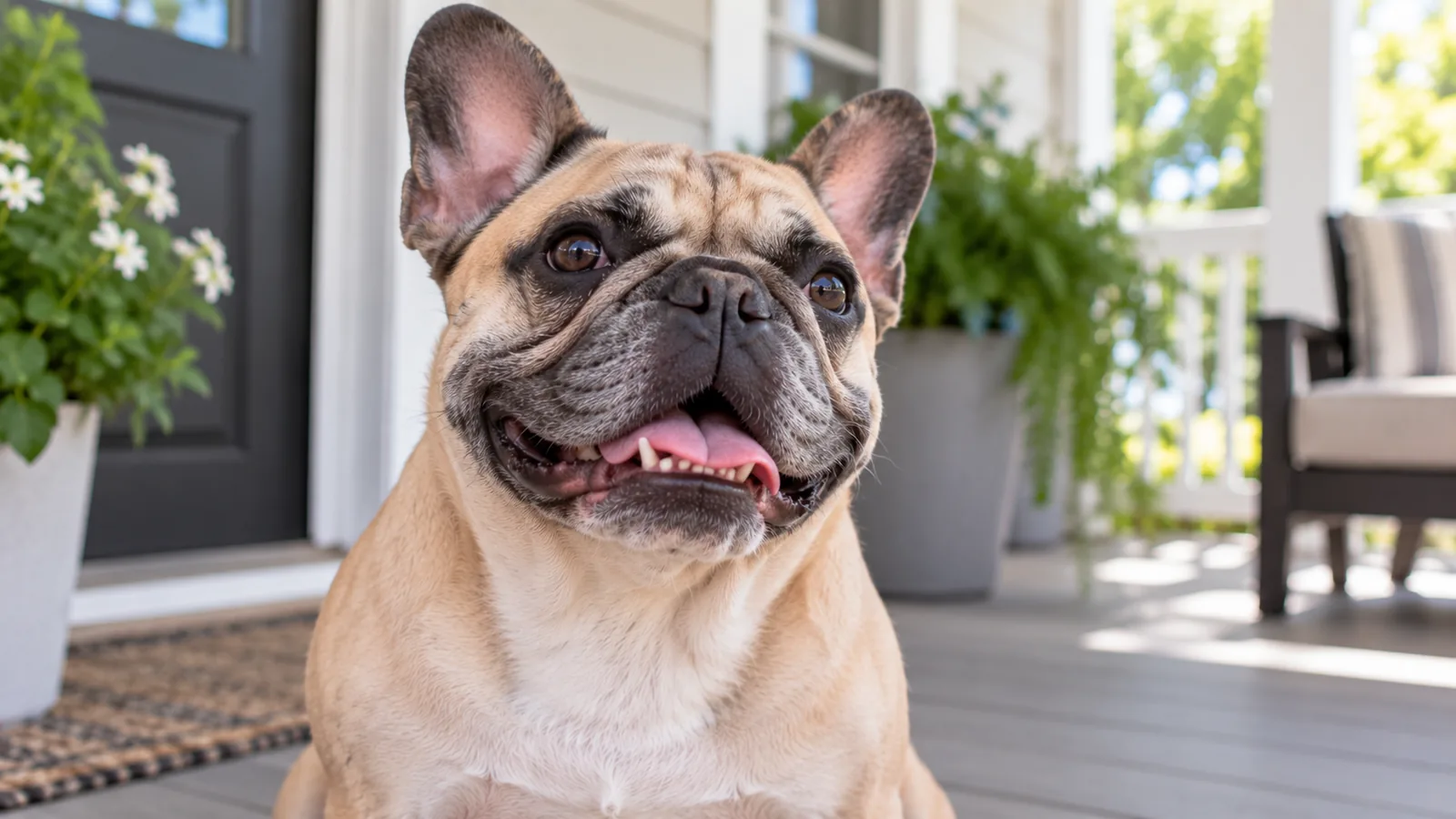
Brachycephalic breeds, the flat-faced dogs and cats like Bulldogs, Pugs, and Persians, have more dental problems because a shortened jaw still has to hold the same number of teeth as a long-nosed pet. Those teeth crowd, rotate, and overlap, trapping food and plaque where a toothbrush cannot reach. Extra gum tissue is common in these breeds too, and it can grow over a tooth and hide the damage forming underneath. That combination brings periodontal disease years earlier than it should, along with bites that do not line up and baby teeth that never fall out.
Oliver Animal Hospital in Austin cares for a lot of flat-faced dogs and cats, and we know how quietly a crowded mouth turns painful while your pet acts like nothing is wrong. Our dental exams and cleanings look below the gumline with digital X-rays, where crowding does its real damage to roots and bone. That work happens under anesthesia, which we plan carefully for flat-faced patients because their airways need extra care going to sleep and waking up, and the awake part of the visit stays slow and gentle. If your bulldog, pug, or Persian is due for a closer look, set up a dental exam and we will show you what is really going on in there.
What a Short Jaw Does to Teeth
- A shortened jaw holds the same number of teeth as a long-nosed pet, so Bulldogs, Pugs, and Persians live with crowding that traps plaque and starts periodontal disease years earlier than it should.
- Crowded teeth rotate and erupt out of line, which wears enamel, injures soft tissue, and packs food into spaces a tongue or a toothbrush can't clear.
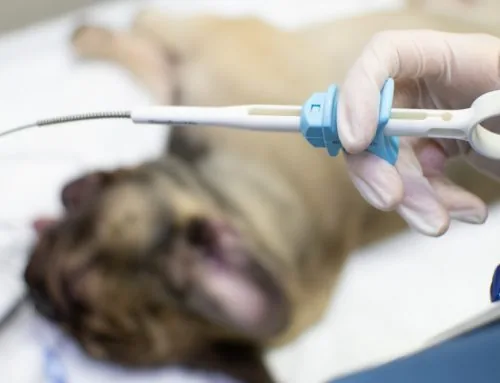
- Dental X-rays taken under anesthesia are the only way to see what crowding is doing to roots and bone, and we take ours in house.
- Flat-faced pets need an anesthetic plan built around their airway, and brushing at home is the single biggest thing you control between cleanings.
Why Do Flat-Faced Breeds Need Extra Dental Attention?
Selective breeding for a flat face shortened the jaw of brachycephalic dogs without shrinking the teeth, so a Bulldog carries the same 42 adult teeth a longer-nosed dog does in a fraction of the space. Those teeth press together, twist to fit, and hold plaque exactly where no brush reaches.
Periodontal disease is an infection of the tissues that anchor teeth in place, and crowding gives it a head start. Plenty of flat-faced dogs and cats have real attachment loss before their third birthday, and they show almost nothing for it. Pets keep eating and keep playing fetch, and a dog will chew on whichever side doesn't hurt for months before anyone notices.
Here's what tends to be visible from the couch:
- Breath that turns sour: A new smell when your dog yawns usually means bacteria are already at work below the gumline.
- A brown or yellow band where tooth meets gum: That's tartar, and it builds fastest in the tightest spaces.
- Red, puffy gum edges: Healthy tissue is firm and pale pink, and it doesn't bleed on a chew toy.
- Teeth that overlap or sit sideways: Crowded premolars often turn like shingles on a roof.
Crowding doesn't sort itself out, and the earlier we find it, the less has to come out later. Every nose-to-tail wellness exam includes a look at the bite, the gums, and the back teeth where trouble usually starts.
What Does Tooth Crowding Do to a Bulldog's Bite?
Crowding pushes teeth out of the positions they were meant to hold, and a tooth that erupts out of place changes how the entire bite meets. That malocclusion shows up as worn enamel, a lower canine striking the palate, and food packed into corners the tongue can't clear.
| What you might notice | What's happening underneath | Why it matters |
| Lower jaw sits out past the upper | Class III underbite, the standard Bulldog and Persian profile | Incisors never meet, so they don't self-clean and tartar builds fast |
| Premolars angled or overlapping | Rotated teeth crammed into a short arcade | Plaque packs between crowns where bristles can't follow |
| A lower canine pressing into the roof of the mouth | Base-narrow canine tipped inward | Painful palate trauma, and sometimes a hole into the nose if it's left |
| Baby teeth beside adult teeth | Retained deciduous teeth | Two teeth in one space, with debris wedged between them |
| Gum creeping up over a crown | Overgrown gingiva | Disease hides underneath while the tooth still looks fine |
Rotated roots, bone loss, and fractures all sit below the surface, so the awake look only gets us partway and full-mouth digital radiographs taken while your pet is asleep fill in the rest.
What we do next depends on what those images show. Sometimes it's removing one strategically chosen tooth so the three around it can finally be cleaned and stay that way. Sometimes it's watching a young bite while the jaw is still growing, since some misalignments self-correct. When a bite needs true orthodontic correction, like an incline plane to tip a canine off the palate, we refer that work to a board-certified veterinary dentist and coordinate the appointment for you.
Why Are My Pug's Gums Growing Over Their Teeth?
Extra gum tissue is not harmless padding. Gingival enlargement builds false pockets around the crown that hold food and bacteria below the gumline, so the disease underneath stays hidden while it advances. Bulldogs and Boxers are the classic examples, though any flat-faced pet can grow it. Not every overgrowth is simple thickened tissue either, so a lump that grows on one side of the mouth gets sampled rather than assumed benign.
Plaque sitting against that tissue sets off inflammation, and inflammation that never resolves erodes the ligament and bone holding each root. Teeth loosen. Abscesses form under an eye or along the jaw. A mouth infected this long also puts a steady load on the immune system and can affect organs elsewhere over time.
Treating the infection and building a pain management plan around that individual patient happens together, not one and then the other, and most of these mouths feel dramatically better within days of the work being done.
How Do I Prevent Dental Disease in a Crowded Mouth?
Daily brushing does more for a crowded mouth than anything else you can do at home, because soft plaque hardens into cement-like tartar in about 48 hours. Pair that habit with professional cleanings that include full-mouth X-rays, and start while the bite is still forming and baby teeth are still dropping out.
A soft child-sized brush or a finger brush works, angled toward the gum at about 45 degrees. Use a veterinary toothpaste, never a human one, since human formulas aren't safe for pets to swallow. Ten seconds a side is a real start, and most dogs come around within a week or two if the paste tastes like something they want. Dental diets, veterinary-accepted chews, and water additives pick up part of the load on the days brushing doesn't happen.
Home care slows plaque down, but it can't reach under the gum. A professional dental cleaning scales beneath the margin and around every rotated crown, and each tooth gets probed, charted, and imaged while we're in there. Two teeth in one socket is never normal, and deciduous tooth removal is time sensitive, because a retained baby canine shoves the adult tooth into the wrong path and traps debris against the gum the whole time it stays.
| Life stage | What we're watching for | What usually helps |
| Puppies and kittens | Retained baby teeth, early bite misalignment, palate defects | Rechecks as adult teeth erupt, and prompt removal of anything retained |
| Young adults | First tartar at the crowded premolars, red margins, rotated crowns | A first cleaning with full-mouth X-rays, plus a brushing habit that sticks |
| Adults | Pockets, bone loss, overgrown tissue, fractured teeth | Cleanings timed by what the radiographs show, with targeted extractions |
| Seniors | Loose teeth, abscesses, mouths that hurt more than they let on | Bloodwork-guided anesthesia and a plan that puts comfort first |
Is Anesthesia Safe for a Flat-Faced Pet's Dental Work?
Anesthesia is safe for most short-nosed patients when the plan is built around the airway from the start. The same narrowed airway that makes a Pug snore makes anesthesia for short-nosed pets a different job, with oxygen before induction, a breathing tube placed quickly, and that tube left in place longer than usual during recovery.
Before any of that, we want a clear picture of the patient in front of us. A hands-on exam, a careful listen to the heart and lungs, and pre-anesthetic bloodwork run in our own lab tell us how the liver and kidneys are likely to handle the drugs, which changes what we choose and how much. While your pet is asleep, someone watches oxygen saturation, blood pressure, temperature, and heart rhythm continuously.
Waking up is where these breeds need the most attention. They stay propped upright with the tube in until they're swallowing well and clearly awake, because a groggy Pug with a soft palate in the way can struggle for air the moment that path isn't held open. Somebody sits with them for it.
This is also why anesthesia-free scaling doesn't help a crowded mouth. It polishes the visible crown, leaves everything below the gum untouched, and offers no way to take an X-ray or treat what actually hurts.
Are These Dental Problems Inherited?
The crowding itself is inherited, though the disease that follows isn't inevitable. Skull shape is genetic, and a shortened muzzle decides how much room the teeth get, how the jaws line up, and where the palate sits. What happens at home and what we catch early still decides the outcome.
Some flat-faced pets are born with more than a tight fit. Cleft palate turns up more often in flat-faced litters, and the tell is a nursing puppy or kitten with milk coming back out the nose, slow weight gain, or pneumonia that keeps returning.
Dogs get most of the attention on this subject, but flat faces run right through the cat world too. Persians, Himalayans, and Exotic Shorthairs carry the same compressed skull, and brachycephalic cats end up with rotated, overlapping teeth and a misaligned bite for the same anatomical reason Bulldogs do. These cats are also prone to tooth resorption, a painful erosion of the tooth structure that hides at or below the gum, which is why imaging matters so much in a feline mouth.
If you're choosing a puppy or kitten from a breeder, ask what the parents' mouths look like, whether any littermates needed extractions, and whether palate defects have shown in the line. Bringing a new flat-faced pet home is also a good moment to talk with our veterinarians, because planning in the first year is far easier on everyone than repairing in the fifth.
What Bulldog and Persian Families Ask Us About Teeth
Why does my flat-faced dog have worse teeth than my neighbor's Lab?
Size and shape are both working against them. Small mouths come with outsized dental challenges, since crowded teeth sit shoulder to shoulder, roots take up a larger share of a thinner jaw, and periodontal disease reaches bone faster than it would in a big dog. A Lab has spacing that lets saliva and chewing do some of the cleaning for free, and a Pug has none of that margin, so the same amount of plaque costs far more.
My Bulldog cracked a tooth on a bone. Does that need to be seen right away?
A fracture that exposes the pink or dark center of a tooth opens a direct path to the root, and that hurts within hours, so it deserves attention that day rather than at the next checkup. We hold room for same-day urgent care during our open hours, so call and bring them in. Going forward, skip bones, antlers, and hard nylon chews, which are what break teeth in the first place.
My Persian won't let me near her mouth. What can I do?
Start smaller than brushing. Spend a few days just touching her muzzle while she's relaxed, then offer a finger with a dab of veterinary paste to lick, then try one pass along the outside of her upper teeth. Thirty seconds counts as a win. Most cats never tolerate the inner surfaces, and that's fine, since plaque collects mainly on the cheek side. We're happy to demonstrate on her at her next visit.
Staying Ahead of Dental Disease in Flat-Faced Pets
A crowded mouth isn't a character flaw in your Bulldog or your Persian, and it isn't something you caused. It's anatomy, and anatomy responds well to steady attention: brushing on most days, a glance at the gums while you're already scratching a chin, and cleanings timed by what the X-rays show rather than by the calendar. Oliver Animal Hospital sees a lot of flat faces here in Austin, and questions about putting a short-nosed pet under anesthesia are ones we'd rather answer before the appointment than after.
When you're ready, schedule a dental evaluation and bring everything you've been noticing at home with you. You can also reach out any time with a question about your flat-faced pet's mouth.